
Fuel Theft Surges £200K Daily at UK Pumps Amid Iran Tensions
Fuel theft at UK forecourts has jumped 20% in five months, costing nearly £200,000 daily. Industry data reveals rising incidents since tensions escalated with Iran.
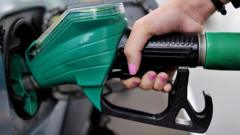
Unprecedented Rise in Fuel Theft Across British Petrol Stations
A significant escalation in fuel theft at UK forecourts has emerged as a pressing concern for the petroleum retail sector. Industry analysis reveals that fuel theft incidents have climbed substantially since geopolitical tensions with Iran began to influence global energy markets. The surge in fuel theft UK forecourts represents a troubling trend, with nearly £200,000 worth of fuel being taken without payment every single day across the nation's service stations.
The comprehensive data gathered by sector analysts shows that incidents of fuel being stolen have increased by approximately one-fifth over a five-month period. This percentage rise translates into a considerable financial burden for independent petrol station operators and major forecourt networks alike. The timing of this escalation coincides with broader market instability and heightened consumer anxiety regarding fuel availability and pricing.
Impact on the Retail Fuel Industry
The financial implications of fuel theft for UK forecourts extend far beyond individual incidents. Daily losses averaging £200,000 represent an annual drain of approximately £73 million from the fuel retail sector. This substantial figure encompasses both the direct cost of stolen product and the indirect expenses associated with increased security measures, staff training, and incident management.
Independent petrol station operators face particular vulnerability to these losses, as many lack the sophisticated security infrastructure of larger corporate chains. Smaller forecourts often operate with minimal profit margins, making even moderate theft levels significant to their operational viability. The cumulative effect of fuel theft across hundreds of locations nationwide has prompted urgent calls for industry-wide security improvements and enhanced preventative measures.
Correlation with Global Energy Instability
The timing of increased fuel theft incidents correlates directly with the onset of tensions between Western nations and Iran. Uncertainty surrounding crude oil supply chains has created volatility in fuel prices, prompting consumers to seek alternative means of obtaining fuel. Some analysts suggest that elevated prices have motivated desperate individuals to resort to theft, while others point to general economic anxiety stemming from geopolitical uncertainty.
Energy market observers note that petrol prices have experienced notable fluctuations during the period when fuel theft UK forecourts incidents surged. Consumer spending power has been constrained by rising costs across multiple sectors, potentially driving some individuals toward illicit acquisition of fuel. The psychological impact of perceived fuel scarcity, regardless of actual supply levels, may also contribute to the uptick in criminal activity at service stations.
Security Challenges and Industry Response
Forecourt operators have implemented various security strategies to combat the escalating theft problem. These measures include enhanced CCTV systems, improved lighting at pumps, staff presence protocols, and increasingly, pre-payment requirements for all fuel transactions. Many stations have transitioned to mandatory card-based payments before fuel dispensing, effectively eliminating the ability to drive away without settling accounts.
Despite these preventative efforts, the persistence of fuel theft incidents suggests that determined thieves continue to find vulnerabilities in existing security frameworks. Some individuals tamper with pump mechanisms, while others exploit gaps in staff attention during busy periods. The ongoing challenge of balancing customer convenience with effective loss prevention remains a central concern for forecourt management teams.
Broader Crime Trends and Consumer Behavior
The rise in fuel theft must be contextualised within broader retail theft patterns affecting the UK economy. Retail crime analysts have documented increased incidents across multiple sectors during periods of economic uncertainty and inflation. Food theft, clothing theft, and other commodity thefts have similarly risen as household budgets face pressure from elevated energy and living costs.
Consumer behaviour has shifted measurably in response to fuel price volatility. Some drivers have reduced vehicle usage, switched to public transportation, or invested in alternative fuel vehicles. Others have modified purchasing patterns, attempting to time fuel purchases around perceived price fluctuations. These behavioral changes reflect the significant impact that fuel costs exert on household finances and purchasing decisions.
Looking Forward: Prevention and Policy Implications
Industry stakeholders advocate for coordinated approaches to addressing the fuel theft crisis. Suggestions include enhanced cooperation between forecourt operators, law enforcement agencies, and payment processors to identify and prosecute persistent offenders. Data sharing initiatives could help identify patterns and high-risk locations, enabling more targeted security deployments.
Policymakers are also considering regulatory responses to the escalating fuel theft problem. Proposals include stricter enforcement measures, enhanced penalties for fuel theft offences, and potential subsidies for security infrastructure at smaller forecourt locations. The challenge remains balancing effective crime prevention with maintaining accessible fuel retail environments that serve all communities.
As geopolitical tensions continue to influence energy markets, the fuel retail sector faces sustained pressure from both theft-related losses and operational challenges. The £200,000 daily loss from fuel theft UK forecourts underscores the urgent need for comprehensive, multi-faceted strategies addressing both immediate security concerns and underlying economic factors driving criminal behaviour at petrol stations.


