
Food Tracking Apps: Can Monitoring Purchases Improve Health
Discover whether food tracking apps help improve diet quality and health outcomes. Learn the benefits and potential risks of monitoring purchases for better nutrition.
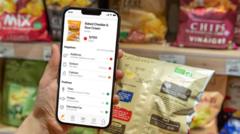
Understanding Food Tracking Apps and Their Growing Popularity
Food tracking apps have become increasingly prevalent in recent years, with millions of users worldwide attempting to monitor their dietary habits through mobile applications. These food tracking apps offer a convenient way for individuals to record meals, count calories, and analyze nutritional content. However, the effectiveness and long-term health benefits of using such applications remain subjects of ongoing debate among health professionals and nutritionists.
The rise in popularity of food tracking apps reflects a broader cultural shift toward health consciousness and self-improvement. Many people are turning to digital solutions in hopes of achieving their wellness goals, yet questions persist about whether this approach delivers sustainable results or simply creates unnecessary stress around eating habits.
How Food Tracking Apps Function
Modern food tracking apps work by allowing users to log meals and snacks, either through manual entry or by scanning barcode information. The applications then calculate macronutrient breakdowns, vitamin content, and calorie counts, providing users with detailed nutritional data. Some advanced food tracking apps even include features for weight monitoring, exercise logging, and personalized recommendations based on individual health goals.
The mechanism behind these tools is straightforward: increased awareness of what you consume theoretically leads to better dietary choices. Users can set daily calorie or nutrient targets, and the app alerts them when they approach these limits. This quantification of food intake appeals to data-driven individuals seeking measurable progress toward their health objectives.
Potential Benefits of Monitoring Food Purchases
Research suggests several advantages to using food tracking apps for health improvement. One significant benefit is heightened awareness of actual food consumption versus perceived intake. Many people underestimate how much they eat, and detailed logging can reveal unexpected eating patterns. This awareness alone sometimes prompts behavioral changes without additional interventions.
Additionally, food tracking apps provide valuable educational opportunities. Users learn about nutritional values in common foods, understand portion sizes better, and recognize which foods contribute most to their daily calorie or nutrient intake. This knowledge empowers individuals to make informed decisions when shopping for groceries or ordering meals at restaurants.
For individuals with specific health conditions such as diabetes or hypertension, food tracking apps can be particularly beneficial. Monitoring carbohydrate intake, sodium consumption, or potassium levels becomes simpler and more consistent with app support. Healthcare providers often recommend these tools as part of comprehensive treatment plans for managing chronic diseases.
Drawbacks and Health Concerns
Despite their popularity, food tracking apps present potential risks that shouldn't be overlooked. Mental health professionals have raised concerns about obsessive tracking behaviors that can develop into unhealthy relationships with food. For individuals with a history of eating disorders or disordered eating patterns, food tracking apps may trigger or exacerbate problematic behaviors.
The inherent limitation of food tracking apps lies in their inability to capture the complete picture of health. Calorie counting alone doesn't account for food quality, nutrient timing, or individual metabolic differences. Someone could technically meet their caloric targets while consuming nutritionally empty processed foods, which contradicts the goal of improving overall health.
Furthermore, the constant monitoring requirement can lead to decision fatigue and stress around meals. Rather than fostering a positive relationship with food, some users report feeling anxious about logging every bite or exceeding daily targets. This anxiety can undermine the very health objectives these applications aim to support.
Expert Perspectives on Food Tracking
Nutritionists and health experts offer nuanced views on food tracking apps. Many recommend a balanced approach where tracking serves as an educational tool rather than a lifelong habit. Short-term tracking for specific goals often proves more effective than indefinite monitoring, which can become burdensome and counterproductive.
Experts emphasize that food tracking apps work best when combined with other healthy practices such as regular physical activity, adequate sleep, and stress management. The apps themselves are merely tools; they cannot replace fundamental lifestyle changes or professional guidance from registered dietitians.
Choosing the Right Approach for Your Health
Determining whether food tracking apps benefit your health depends on individual circumstances, personality traits, and health goals. Those seeking to understand their eating patterns, individuals managing specific medical conditions, and people with clear, time-bound objectives may find these tools valuable. Conversely, those prone to obsessive behaviors or with past experiences with eating disorders should approach food tracking cautiously or avoid it altogether.
The key is using food tracking apps intentionally and strategically rather than as a permanent lifestyle measure. Temporary tracking periods combined with professional nutritional guidance typically yield better outcomes than indefinite self-monitoring without professional support.
Moving Forward: Balanced Perspective on Health Monitoring
Food tracking apps undoubtedly offer useful features and can contribute positively to health outcomes when used appropriately. The technology provides valuable data and promotes nutritional awareness for many users. However, they should be viewed as supplementary tools within a comprehensive approach to health rather than as solutions unto themselves. Understanding both the benefits and limitations of food tracking apps enables individuals to make informed decisions about incorporating them into their personal health strategies.


