
Fire Services Overwhelmed: Major Incidents Declared Across England
Fire services face critical pressure with major incidents declared in England and Wales. Blazes reported in Stourbridge, Sandwell, and Pershore stretch emergency response capabilities.
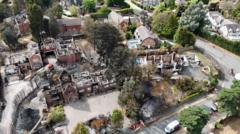
Fire Services Major Incidents Declared Across Multiple Regions
Emergency services across England and Wales are facing unprecedented pressure as fire services major incidents have been officially declared following simultaneous outbreaks in critical locations. The coordinated response involves fire brigades from multiple counties dealing with dangerous blazes that have forced substantial evacuations and ongoing emergency protocols.
Locations Affected by Severe Fire Outbreaks
The most significant fire emergencies have been reported in three distinct areas: Stourbridge, Sandwell, and Pershore. Each location presents unique challenges for firefighting teams who are working around the clock to contain the flames and prevent further spread into residential neighborhoods. The geographical distribution of these incidents has severely taxed the available resources of local fire brigades.
Stourbridge Fire Emergency
The Stourbridge incident represents one of the most serious threats to the region, with crews establishing extensive perimeter controls and water supply operations. Residents in surrounding areas have been advised to keep windows closed and remain indoors to avoid smoke inhalation.
Sandwell Blaze Operations
Sandwell's fire situation has prompted authorities to establish multiple command centers as the scale of the emergency became apparent. Additional firefighting units from neighboring counties have been dispatched to support local teams in their containment efforts.
Pershore Fire Response
The Pershore outbreak adds complexity to an already stretched emergency response system, requiring sophisticated coordination between multiple fire brigades and support services operating in different jurisdictions.
Residents Remain Displaced From Homes
A critical aspect of this ongoing crisis involves the large number of residents who have not yet been able to return to their homes. Fire services major incidents of this magnitude typically require extensive structural assessments before properties can be declared safe for reoccupancy. The displacement creates secondary challenges including accommodation needs, welfare support, and community recovery planning.
Authorities have established temporary shelters and are coordinating with local councils to provide essential services for those displaced. Mental health support services have also been activated to address the psychological impact on affected residents.
Emergency Response Capabilities Under Pressure
The simultaneous nature of these major incidents has exposed vulnerabilities in resource allocation. Fire brigades across England and Wales are operating at maximum capacity, with fire services stretched to their limits. Off-duty personnel have been recalled, and mutual aid agreements with neighboring regions have been activated to ensure adequate coverage across all affected areas.
This widespread emergency response demonstrates the critical interdependence of regional fire services. When multiple major incidents occur simultaneously, coordination becomes exceptionally complex, requiring real-time communication between incident commanders, resource managers, and regional coordinators.
Impact on Emergency Service Infrastructure
The strain on emergency infrastructure extends beyond firefighting crews. Ambulance services, police departments, and support personnel are all stretched managing the cascading effects of these major incidents. Traffic diversions around affected areas have impacted response times for other emergencies across the broader region.
Hospitals in nearby areas have been placed on alert, with emergency departments preparing for potential casualties. Mutual aid agreements between NHS trusts ensure that medical resources can be rapidly mobilized if needed.
Ongoing Investigation and Assessment
While firefighting operations continue, investigators are beginning preliminary assessments of the incident origins. Understanding how these fires started will be crucial for preventing future occurrences and identifying any common factors across the three locations.
Structural engineers and fire safety inspectors are preparing damage assessments that will determine what properties can be safely reoccupied and what reconstruction or demolition may be required. These assessments typically take several weeks and involve detailed examination of building integrity and utility systems.
Community Support and Recovery Planning
Local authorities are activating community resilience frameworks to support affected residents through the recovery process. Coordination with voluntary organizations, community centers, and faith groups is underway to provide practical assistance and emotional support.
Long-term recovery from fire services major incidents of this scale requires sustained commitment from multiple agencies working in partnership with affected communities. The focus has now shifted toward ensuring adequate support for those displaced while simultaneously managing the ongoing emergency response.


