
Fire Kills 14 Newborns at Pakistan Hospital: Security Doors Questioned
14 babies died in a devastating fire at a Pakistan hospital. Witnesses claim the ward door was locked, while hospital officials dispute the account. Learn details about the tragic incident.
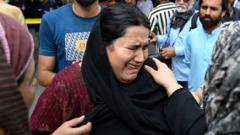
Tragedy Strikes Pakistan Hospital as Fire Claims 14 Lives
A devastating fire at a Pakistan hospital has resulted in the deaths of 14 newborns, raising critical questions about safety protocols and emergency procedures in medical facilities. The incident at the Pakistan hospital fire has sparked an urgent investigation into whether proper security measures were in place to protect the vulnerable infants housed in the neonatal ward.
Conflicting Accounts Over Ward Access
Eyewitnesses present at the facility have provided accounts suggesting that the ward entrance was secured with a locked door at the time of the fire, potentially hindering evacuation efforts during the emergency. These testimonies have become central to understanding how the tragedy unfolded and whether standard safety procedures were followed during the critical moments of the incident.
However, hospital administration has contested these claims, asserting that the ward door remained unlocked and was instead monitored by security personnel stationed at the entrance. According to the hospital's statement to international media outlets, trained security guards were actively positioned at the doorway specifically to ensure the protection and safety of the infants in the neonatal unit.
Hospital's Official Response and Security Claims
The Pakistan hospital officials have emphasized that their security arrangement was designed to balance protection with accessibility. The hospital maintains that having armed security personnel at the ward entrance provided adequate safeguarding for the babies while maintaining an open passage for authorized medical staff and emergency responders when needed.
This security setup, according to hospital representatives, was implemented to prevent unauthorized access to the sensitive neonatal environment while ensuring that the space remained accessible during emergencies. The hospital's explanation suggests that their approach prioritized both patient protection and emergency response capabilities.
Investigation Into Safety Protocols
Following the fire at the Pakistan hospital, authorities have launched formal investigations to determine exactly what happened during the evacuation process. Investigators are examining whether security measures inadvertently contributed to difficulties in emergency response, including the rapid removal of infants from the burning ward.
The inquiry will focus on multiple factors: the exact cause of the fire, the timeline of events, the effectiveness of alarm systems, the adequacy of emergency exits, and the responsiveness of staff to the crisis. These examinations are critical for understanding whether the neonatal ward fire could have been prevented or whether rescue operations could have been conducted more effectively.
Broader Concerns About Healthcare Infrastructure
This incident has reignited discussions about healthcare safety standards across Pakistan's medical facilities. Experts have called for comprehensive reviews of fire safety protocols, emergency evacuation procedures, and security arrangements in hospitals throughout the country, particularly in neonatal and pediatric units where vulnerable populations require specialized protection.
The tragedy has prompted healthcare administrators and government officials to reassess current regulations governing hospital security, fire prevention measures, and emergency preparedness. Questions have been raised about whether existing safety standards are adequate or whether new protocols need to be established to prevent similar incidents in the future.
Community Response and Support
The loss of 14 newborns has devastated the community and sparked widespread grief among families and medical professionals. Local authorities and charitable organizations have begun providing support to the affected families, while medical staff members are receiving counseling and assistance following this traumatic event.
The incident serves as a stark reminder of the vulnerability of hospitalized infants and the critical importance of robust safety measures in healthcare settings. Moving forward, the investigation's findings will likely shape how hospitals throughout Pakistan approach security, fire safety, and emergency response protocols in neonatal care units.


