England's Water Companies Fail Environment Test Despite Billions Invested
Eight of nine English water companies rated poor or needing improvement. Environment Secretary Angela Eagle demands action as pollution and environmental performance worsen.
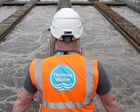
Water Industry Environmental Performance Reaches Critical Point
England's water companies environmental performance continues to deteriorate, with a comprehensive regulatory assessment revealing that eight of nine major operators have failed to meet acceptable environmental standards. Despite substantial financial investments totaling billions of pounds, the water companies environmental performance remains disappointing across the sector, prompting urgent intervention from government officials.
Environment Secretary Dame Angela Eagle has taken decisive action by summoning water industry executives to Whitehall following the damaging report. The joint assessment, produced collaboratively by four regulatory bodies, presents a stark picture of an industry struggling to deliver on its environmental commitments.
Regulatory Bodies Issue Damning Joint Report
The Environment Agency, Drinking Water Inspectorate, Natural Resources Wales, and Ofwat combined their findings in an unprecedented joint report. This coordinated regulatory effort classified the vast majority of England's water companies as either "poor" or "requiring improvement," signaling systemic challenges across the industry.
The collaborative nature of this assessment underscores the seriousness with which multiple regulatory authorities view the ongoing environmental failures. Each body brought specialized expertise to evaluate different aspects of water company operations, from pollution control to water quality standards.
Environmental Secretary Signals Zero Tolerance Policy
Dame Angela Eagle made her position crystal clear during recent discussions with industry representatives. "People are sick of excuses," the environment secretary declared, reflecting growing public frustration with the water sector's inability to improve despite considerable capital expenditure.
This statement represents a significant shift in government messaging. Officials have moved beyond expressing concerns to demanding tangible improvements and concrete accountability measures from water company leadership.
Understanding the Performance Crisis
The water companies environmental performance breakdown reflects several interconnected issues. Years of underinvestment in infrastructure, combined with aging treatment facilities and expanding demand pressures, have created a perfect storm for regulatory failures.
Pollution incidents, including illegal sewage discharges into waterways, have become increasingly prominent in public discourse. These environmental violations have sparked outrage among communities downstream and environmental campaigners nationwide.
Financial Investment Failing to Translate into Results
Perhaps most troubling for regulators and government officials is that the billions of pounds invested by water companies have not produced proportional improvements in environmental performance. This disconnect raises fundamental questions about how capital allocation decisions are made and whether current governance structures adequately incentivize environmental stewardship.
The financial investment has targeted various priorities, yet monitoring data suggests these funds have not effectively addressed core environmental challenges. This outcome suggests that investment alone, without corresponding operational and governance reforms, proves insufficient.
What the Ratings Categories Mean
The "poor" and "requiring improvement" classifications carry specific regulatory implications. Companies rated in these categories face increased scrutiny, potential fines, and mandatory improvement plans with defined timelines and measurable targets.
The distinction between these two categories reflects the degree of performance shortfall. While "requiring improvement" suggests a company possesses the capacity to meet standards with focused effort, "poor" ratings indicate more fundamental systemic deficiencies.
Next Steps and Government Expectations
The Whitehall summit with water company bosses signals that government will no longer tolerate complacency or incrementalism. Officials are expected to demand specific remediation timelines, independent monitoring mechanisms, and potentially board-level accountability measures.
Regulatory authorities are likely to impose stricter conditions on licenses, demand enhanced reporting requirements, and potentially recommend criminal prosecution for executives whose companies demonstrate particularly egregious violations.
Broader Implications for the Water Sector
This report marks an inflection point in the regulatory relationship between government authorities and private water operators. The convergence of four regulatory bodies in issuing a joint assessment demonstrates unprecedented coordination and collective determination to drive improvement.
Going forward, the water companies environmental performance standards will likely become more stringent, enforcement more rigorous, and penalties for violations more substantial. The days of incremental progress and negotiated timelines appear to be ending.
Public pressure continues mounting as communities across England witness environmental degradation directly attributable to water industry failures. The disconnect between water company profits and environmental stewardship has become a central political issue, demanding immediate and comprehensive resolution.