England's Junior Doctors Accept New Pay Deal After Strike
Junior doctors in England vote to accept government pay offer, ending strikes that cost NHS £1bn. Salaries rise 35.2% over four years.
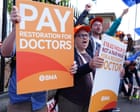
Junior Doctors Vote to Accept Government Pay Settlement
Junior doctors in England have reached a significant milestone by voting to accept a comprehensive government deal on pay and employment conditions, marking the end of an extended period of industrial action. This junior doctors pay deal represents a major breakthrough in negotiations between healthcare workers and the Department of Health, effectively concluding strike actions that commenced in the previous summer and resulted in substantial costs to the National Health Service.
The agreement demonstrates a commitment from both parties to resolve longstanding disputes regarding compensation and working conditions for early-career medical professionals across NHS facilities nationwide.
Financial Impact and Strike Resolution
The industrial action undertaken by junior doctors has imposed considerable financial strain on healthcare services, with estimates indicating losses of approximately £1 billion to the NHS during the dispute period. This significant expenditure reflects the widespread nature of the strikes and their impact on hospital operations, patient care scheduling, and emergency services across England.
The resolution of these industrial relations matters through the newly accepted pay agreement aims to mitigate further economic damage to already-stretched healthcare infrastructure while restoring operational stability to medical facilities.
Salary Increases and Compensation Framework
A cornerstone of the negotiated settlement includes substantial salary improvements for participating doctors. The arrangement provides for average pay increases of 35.2% compared with compensation levels from four years prior, representing meaningful financial recognition of medical professionals' contributions and addressing previous grievances regarding remuneration adequacy.
These incremental improvements are structured across the agreement period, allowing for gradual implementation while supporting workforce planning initiatives across NHS regions. The pay progression recognizes the specialized nature of medical work and competitive labor market pressures facing healthcare recruitment and retention.
British Medical Association's Role in Negotiations
The British Medical Association, representing resident doctors' collective interests, played a decisive role in brokering this settlement. In a pivotal moment earlier this month, union leadership called off scheduled strike action at the eleventh hour to formally present the government's revised offer to the broader membership for democratic consideration.
This strategic decision reflected confidence in the proposed terms and commitment to pursuing formal endorsement through established member voting procedures, ultimately validating negotiators' confidence in the agreement's acceptability to the broader medical professional community.
Broader Implications for NHS Workforce
The successful conclusion of this dispute carries significant ramifications for the broader healthcare employment landscape. By establishing precedent for negotiated resolution of compensation disputes, the agreement potentially influences future labor relations between government health authorities and other medical professional groups operating within NHS structures.
The acceptance of these terms by resident doctors signals movement toward workplace stability and improved industrial relations within England's healthcare system, creating conditions more conducive to sustained service provision and professional satisfaction among junior medical staff.
Return to Normal Operations
With strike action formally suspended and the pay agreement accepted by participating doctors, NHS services across England are positioned to resume normal operational schedules and staffing arrangements. This restoration of regular hospital functioning eliminates disruptions previously affecting patient care delivery, surgical scheduling, and emergency department capacity.
The return to standard operations will allow healthcare administrators to focus resources on patient services rather than managing staffing contingencies created by industrial action, potentially improving overall care quality and operational efficiency across facilities nationwide.