
England's Drought Crisis: Two-Thirds Region Now Faces Water Shortage
More than two-thirds of England now faces severe drought conditions. East Midlands, Kent, and Sussex affected. Learn about the water crisis impact.
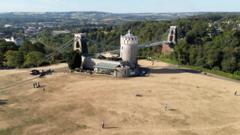
England's Drought Crisis Reaches Critical Levels
England's drought crisis has escalated significantly, with more than two-thirds of the nation now experiencing severe water shortages. The expanding drought status across multiple regions represents a mounting environmental and water management challenge that demands immediate attention from authorities and residents alike. This unprecedented drought situation affects millions of people across England's most populated areas.
Major Regions Officially Declared in Drought Status
Several critical water regions have recently transitioned into official drought designation, intensifying concerns about water availability throughout the summer months. The East Midlands region, encompassing major population centers, now faces severe water stress conditions. Alongside the Midlands, Lincolnshire and Northamptonshire have entered drought status, affecting agricultural productivity and domestic water supplies across the eastern counties.
The southern regions are similarly affected, with Kent and East Sussex moving into drought classification. These southeastern counties, home to millions of residents and vital agricultural land, now operate under strict water conservation protocols. The Solent region and the South Downs have also transitioned into drought status, expanding the crisis footprint across England's densely populated south coast and surrounding areas.
Understanding the Drought Status Classification
When regions enter official drought status, it signifies that water resources have depleted beyond sustainable levels without significant rainfall intervention. This classification triggers mandatory water conservation measures, restrictions on non-essential water usage, and increased monitoring of supply systems. The designation reflects months of below-average precipitation and elevated temperatures that have depleted reservoirs and groundwater sources.
Impact on Agriculture and Food Production
The drought crisis creates substantial challenges for agricultural communities throughout affected regions. Farmers across the East Midlands, Lincolnshire, and Northamptonshire face irrigation restrictions that impact crop yields during critical growing seasons. Water scarcity threatens livestock farming operations and reduces productivity across the entire agricultural supply chain affecting food prices nationwide.
Implications for Residential Water Supply
Residential customers across the drought-affected regions must adapt to water conservation requirements. Water companies implement hosepipe bans and restrict garden watering, vehicle washing, and outdoor water usage. These measures aim to preserve supplies for essential household needs and maintain emergency reserves. Communities must understand the severity of current conditions and commit to sustainable water consumption patterns.
Regional Water Authority Response Measures
Water authorities managing the affected regions have activated contingency protocols and emergency supply alternatives. Enhanced monitoring systems track water levels continuously, while temporary supply infrastructure may be deployed to support vulnerable populations. Communication campaigns educate residents about conservation techniques and water-saving strategies essential during prolonged drought periods.
Long-Term Concerns and Climate Patterns
Extended drought conditions raise questions about climate resilience and infrastructure adequacy. Repeated drought events suggest changing precipitation patterns that may persist for extended periods. Investment in water storage capacity, recycling infrastructure, and demand management becomes increasingly critical for future water security across England's growing population centers.
What Residents Should Know About Drought Status
Understanding the implications of drought status helps residents make informed decisions about water usage. Peak demand periods during drought require heightened conservation efforts, particularly during morning and evening hours when water pressure demands peak. Identifying and repairing household water leaks becomes essential, as even minor drips waste significant volumes during restricted supply conditions.
The England drought crisis affecting more than two-thirds of the nation demands collective action and awareness. From the East Midlands through the South Downs, communities must embrace conservation practices and support regional water management efforts. Following official guidance and adopting sustainable water habits protects supplies for essential needs while contributing to collective resilience during this critical water shortage period.


