
Eleven Dead After Israeli Military Strikes Target Hezbollah in South Lebanon
Israeli military launches strikes on southern Lebanon targeting Hezbollah infrastructure. Eleven killed according to authorities in escalating regional tensions and retaliation operations.
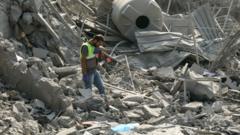
Israeli Military Conducts Major Operations in Southern Lebanon Region
Israeli strikes on southern Lebanon have resulted in eleven deaths, according to local authorities and medical officials in the affected areas. The Israeli strikes targeting the region represent a significant escalation in military operations as the country's defense forces continue conducting comprehensive operations against what military leadership describes as terrorist infrastructure affiliated with Hezbollah.
Military Justification and Response Operations
Israel's military command released statements explaining the rationale behind the Israeli strikes, asserting that operations were conducted in direct response to preceding hostile actions directed against Israeli soldiers stationed in the region. Military officials characterized the targeted infrastructure as belonging to Hezbollah, describing it as facilities and positions used for planning and executing attacks against Israeli forces and civilians.
The strikes represent part of broader security operations aimed at disrupting what Israel identifies as terrorist organizations operating from Lebanese territory. Military spokespersons emphasized that operations were conducted with precision targeting methods intended to minimize civilian casualties while neutralizing what they characterized as genuine security threats.
Casualties and Humanitarian Impact
The death toll from the Israeli strikes has been confirmed by Lebanese health authorities and humanitarian organizations operating in southern Lebanon. Medical facilities in affected communities reported receiving multiple casualties requiring emergency treatment and trauma care services. The eleven confirmed deaths represent significant loss of life in the immediate vicinity of military operations.
Local officials and humanitarian agencies have begun documenting the full extent of damage resulting from the military action. Preliminary reports indicate structural damage to residential areas, infrastructure facilities, and commercial establishments throughout the strike zones in southern Lebanon's populated regions.
Regional Security Context and Tensions
The Israeli strikes occur within an atmosphere of escalating regional tensions involving multiple armed groups and state actors across the Middle East. Southern Lebanon has historically been a focal point of security concerns, with various military organizations maintaining presence and operational capabilities in the area. The situation reflects broader geopolitical complexities affecting Lebanese sovereignty and security arrangements.
Hezbollah, designated as a terrorist organization by multiple international governments, maintains significant military capabilities and political influence throughout Lebanese territory. The organization has previously engaged in military confrontations with Israeli forces and maintains close relationships with regional powers including Iran and Syria.
International Response and Diplomatic Considerations
The military operations have drawn attention from international observers, regional governments, and humanitarian organizations monitoring the situation. Various nations have expressed concerns regarding civilian safety and adherence to international humanitarian law principles governing armed conflict.
Lebanese government officials have called for international support and humanitarian assistance for affected communities. Regional diplomatic channels remain engaged, though tensions continue affecting prospects for immediate conflict resolution or de-escalation measures.
Ongoing Security Operations and Future Outlook
Israeli military leadership has indicated that security operations will continue based on assessed threats and operational requirements. Military commanders stated that Israeli strikes and related security measures represent necessary defensive actions protecting citizens and military personnel from external threats emanating from Lebanese territory.
The situation remains fluid, with authorities in both Israel and Lebanon monitoring developments and maintaining preparedness for potential additional military engagements. International observers continue tracking the situation as broader Middle Eastern security dynamics continue evolving, particularly regarding Israeli-Hezbollah tensions and Lebanese government capacity to control military actors operating within national territory.


