
EasyJet Rejects $4.7 Billion Castlelake Bid as Undervalued Offer
EasyJet dismisses Castlelake's $4.7 billion acquisition bid as opportunistic and undervalued. The airline rejects the offer, deeming it below fair value.
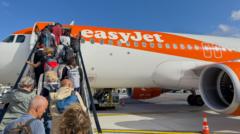
EasyJet Rejects Castlelake's $4.7 Billion Acquisition Bid
The budget airline EasyJet has decisively rejected a $4.7 billion acquisition bid from US investment firm Castlelake, characterizing the proposal as an opportunistic attempt to purchase the company at a significantly discounted valuation. The board's rejection marks a critical juncture in negotiations between the two parties and underscores EasyJet's determination to secure a more favorable valuation for its shareholders.
Assessment of the Castlelake Offer
EasyJet's leadership has publicly stated that Castlelake's bid represents a "highly opportunistic" approach to acquisition, suggesting the offer falls short of the company's intrinsic value and market position. The $4.7 billion valuation fails to adequately reflect EasyJet's operational strength, market presence, and future earning potential within the competitive European aviation sector.
Strategic Positioning
The airline's board of directors views the rejection as essential to protecting shareholder interests. By dismissing this acquisition bid, EasyJet maintains its negotiating position and demonstrates confidence in its standalone business model and growth prospects. The company's leadership believes that the current offer undervalues the substantial assets and revenue-generating capabilities that define EasyJet's operations.
Market Context and Industry Trends
The attempted acquisition by Castlelake occurs within a broader landscape of consolidation and investment activity in the aviation industry. Various financial investors and strategic buyers have shown increasing interest in European airlines, particularly budget carriers with established route networks and customer bases. EasyJet's visibility in this market, combined with its extensive operations across Europe, makes it an attractive target for potential acquirers seeking to expand their portfolio.
Shareholder Considerations
The board's decision to reject the Castlelake acquisition bid reflects its fiduciary responsibility to maximize shareholder value. Members of the board have determined that accepting this offer would constitute a disservice to current investors and stakeholders who have confidence in EasyJet's ability to generate returns independently or through alternative arrangements with more favorable terms.
EasyJet's Market Position and Valuation
As one of Europe's largest low-cost carriers, EasyJet commands significant market share and operates an extensive network connecting major cities across the continent. The company's established customer base, fleet of modern aircraft, and operational efficiency metrics support a valuation considerably higher than the $4.7 billion figure proposed by Castlelake. The airline's historical performance and strategic importance to the European aviation market provide foundation for greater valuation expectations.
Financial Performance Metrics
EasyJet's recent financial results demonstrate the company's capacity to generate substantial revenues and maintain competitive positioning within the low-cost carrier segment. The airline's operational efficiency, measured through cost per available seat kilometer and load factors, compares favorably with competitors and supports the premise that current valuations understate true economic value.
Future Prospects and Strategic Options
Following this rejection of the Castlelake acquisition bid, EasyJet will likely continue exploring various strategic alternatives. These options may include pursuing independent expansion, considering revised proposals from existing or new bidders, or maintaining its current operational trajectory as a publicly traded company. The board remains committed to evaluating opportunities that genuinely enhance shareholder value and align with long-term strategic objectives.
Potential Next Steps
Industry observers anticipate that Castlelake may revise its offer, other potential acquirers might emerge with proposals, or EasyJet could chart a course emphasizing organic growth and operational excellence. The airline's rejection of this initial bid signals that any future acquisition discussions must substantially increase the valuation proposition to secure board approval and shareholder endorsement.
Conclusion
EasyJet's firm rejection of Castlelake's $4.7 billion acquisition bid represents a defining moment in the airline's corporate narrative. By declining what leadership characterizes as an opportunistic offer, EasyJet's board has reaffirmed its commitment to protecting shareholder interests and maintaining confidence in the company's independent operational capabilities. The aviation industry will closely monitor whether Castlelake revises its offer, competing bidders emerge, or EasyJet pursues alternative strategic paths to maximize shareholder value and competitive positioning within the dynamic European aviation market.


