Downing Street Clarifies Burnham's EU Freedom of Movement Stance
Downing Street issues clarification on Andy Burnham's position regarding UK-EU freedom of movement after PM's recent remarks spark speculation about closer Brussels ties.
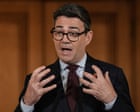
Official Statement Addresses Freedom of Movement Speculation
The UK government has felt compelled to provide an official statement clarifying Andy Burnham's position concerning freedom of movement UK EU relations following recent comments from the prime minister. The clarification became necessary after weekend interviews generated considerable speculation about potential changes to the current immigration framework between Britain and the European Union.
During these televised appearances, the prime minister indicated that an "honest discussion" needed to take place regarding the possibility of reinstating freedom of movement arrangements with EU member states. This triggered widespread media coverage and political debate about how substantially the UK-EU relationship could be reformed.
PM's Weekend Remarks Spark Political Debate
The prime minister's comments during weekend interviews represented a significant departure from the government's official stance on freedom of movement UK EU policy. Political analysts and commentators immediately seized upon the remarks, questioning whether the government was considering a fundamental shift in its immigration approach.
Andy Burnham, who had made his own statements on the matter, found himself at the center of this emerging controversy. His weekend interview comments fuelled further speculation among political observers about potential policy changes and the government's true position on closer UK-EU cooperation.
What the Downing Street Clarification Revealed
Downing Street's official clarification addressed the apparent confusion surrounding the government's official policy on freedom of movement arrangements. The statement sought to distance the government from any suggestion that a return to pre-Brexit freedom of movement conditions was under serious consideration.
However, the very necessity of issuing such a clarification highlighted the ambiguity in recent political discourse. The fact that government officials felt compelled to issue a statement suggested that the prime minister's weekend comments had been interpreted by many as signaling a potential policy shift.
Implications for UK-EU Relations
The controversy over freedom of movement UK EU matters reflects broader questions about the future trajectory of Britain's relationship with continental Europe. Since the completion of Brexit negotiations and the end of the transition period, immigration policy has remained one of the most contentious political issues in UK domestic politics.
Any substantial movement toward reinstating freedom of movement arrangements would represent a significant reversal of the government's position during and after the Brexit campaign. Such a change would likely trigger intense debate within Parliament and among the wider British public, given that immigration control was a central theme of the Leave campaign.
Political Context and Wider Implications
The incident underscores the sensitivity surrounding freedom of movement UK EU policy within government circles. Political figures must navigate carefully between advocating for practical cooperation with European partners and acknowledging public concerns about immigration policy.
Andy Burnham's original weekend comments appear to have been interpreted as suggesting greater openness to EU cooperation than the government officially wishes to project. The subsequent need for Downing Street clarification indicates that the government views any suggestion of returning to freedom of movement as politically problematic.
Government's Official Position
The clarification issued by Downing Street reaffirmed the government's commitment to maintaining border controls and managing immigration according to domestic priorities. Officials emphasized that while the UK seeks productive cooperation with EU partners across various policy areas, this does not extend to reinstating freedom of movement arrangements.
The statement attempted to draw a distinction between engaging in open dialogue about UK-EU relations and contemplating fundamental changes to the immigration system. Government representatives maintained that discussions about closer cooperation should not be interpreted as signals that freedom of movement policies were under reconsideration.
Media Reaction and Public Response
Political commentators and media outlets have analyzed the incident as revealing potential fissures within the government regarding its European policy direction. Some observers suggested that the prime minister's weekend remarks reflected genuine consideration of policy options, while others viewed the comments as merely rhetorical positioning.
The need for official clarification has raised questions about coordination within government on key policy messages. Political analysts noted that such clarifications typically indicate confusion or miscommunication at the highest levels of the administration.
Looking Forward
The controversy surrounding freedom of movement UK EU relations may presage broader debates about the government's approach to European cooperation. As economic and social pressures mount, policymakers may face increasing pressure to reconsider certain aspects of the post-Brexit relationship with EU member states, including immigration arrangements.
However, the swift clarification from Downing Street suggests the government wishes to avoid any perception that it is reconsidering its fundamental position on freedom of movement. Any future policy evolution would likely be presented as part of broader strategic cooperation rather than as a reversal of Brexit-era commitments.