
Dover Port Implements New Strategy to Eliminate Summer Travel Delays
Dover Port adopts advanced traffic management systems to prevent summer travel chaos and long queues. Learn how new measures aim to improve passenger flow this season.
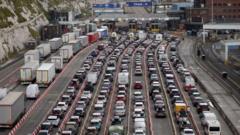
Dover Port Takes Action Against Summer Travel Disruptions
The Port of Dover is implementing comprehensive measures to combat summer travel chaos and prevent the extensive delays that characterized the May bank holiday period. Port authorities have recognized the critical need for improved traffic management systems and operational efficiency to ensure smooth passenger movement throughout the peak season.
In response to the significant congestion witnessed during recent holiday periods, port management has developed a multi-faceted approach designed to enhance capacity and reduce waiting times. The initiative focuses on modernizing existing infrastructure while implementing real-time monitoring solutions that enable better coordination of vessel operations and ground transportation services.
Lessons from May Bank Holiday Disruptions
The May bank holiday revealed critical vulnerabilities in the existing system that allowed passenger queues to accumulate rapidly. During this period, thousands of travelers experienced substantial delays as the port struggled to process the unexpected volume surge. These bottlenecks highlighted the necessity for proactive planning and strategic resource allocation ahead of summer months, when travel demand traditionally reaches its highest levels.
Port officials have conducted detailed analysis of the May disruptions, identifying specific points where congestion occurred most severely. This data-driven approach has informed the development of targeted interventions designed to address root causes rather than merely symptom management. The comprehensive review involved consultation with transportation stakeholders, terminal operators, and traffic management specialists.
New Traffic Management Solutions
Advanced traffic management technology now forms the cornerstone of Dover Port's summer travel chaos prevention strategy. These systems provide real-time visibility into vehicle movements, allowing operators to implement dynamic routing and optimize the flow of cars, motorcycles, and commercial vehicles throughout port facilities.
The upgraded infrastructure includes improved signage systems, enhanced digital information displays, and optimized queue management zones. These additions work synergistically to guide travelers efficiently through the port, reducing confusion and minimizing unnecessary delays. Digital platforms now provide advance notice of congestion levels, enabling passengers to make informed decisions about timing their journeys.
Enhanced Staffing and Resource Allocation
Recognizing that summer travel chaos requires adequate personnel, the Port of Dover has committed to increased staffing levels during peak periods. Additional security personnel, traffic coordinators, and customer service representatives will be deployed strategically throughout the facility. This human resource investment ensures that passengers receive timely assistance and that operations maintain optimal efficiency even when volumes spike unexpectedly.
Staff training programs have been intensified to ensure personnel can respond effectively to surge situations. Emergency protocols have been refined to enable rapid escalation of resources when necessary. Cross-functional teams have been established to monitor conditions continuously and implement adjustments in real time.
Communication Strategy and Passenger Information
Proactive communication represents a key pillar of the Port of Dover's approach to managing summer travel disruptions. Updated website platforms now feature real-time queue status information, estimated processing times, and capacity indicators. Mobile applications provide push notifications alerting travelers to current conditions and recommended travel windows.
Social media channels have been leveraged to disseminate important updates and advisories. Pre-journey communication encourages travelers to arrive early and prepare necessary documentation, reducing processing times at gates. Partnerships with travel operators and accommodation providers ensure consistent messaging across the industry.
Expected Outcomes for Summer Season
Port authorities express confidence that these comprehensive initiatives will substantially reduce the likelihood of recurrence of the summer travel chaos experienced during previous peak periods. The combination of technological improvements, enhanced staffing, and strategic planning addresses both immediate bottleneck points and long-term capacity constraints.
Success metrics have been established to measure the effectiveness of new systems and procedures. Key performance indicators include average processing times, peak-hour throughput capacity, and passenger satisfaction ratings. Continuous monitoring will enable rapid identification and correction of any emerging issues.
The commitment to preventing summer travel chaos demonstrates the Port of Dover's dedication to maintaining its position as a critical transport hub for continental Europe. As peak season approaches, the port remains focused on delivering reliable, efficient service that meets the expectations of the millions of travelers who depend on its facilities annually.


