Donate Your Body to Science and Give Blood Now
Explore how to contribute to medical science through body donation and blood plasma donation in the UK. Learn about life-saving opportunities available today.
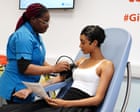
Contributing to Medical Science Through Body Donation
Body donation represents one of the most meaningful ways individuals can contribute to medical advancement and scientific research. Beyond traditional life-saving methods, body donation and blood donation work hand-in-hand to support healthcare systems and advance medical knowledge. Recent discussions have highlighted the importance of making these contributions accessible and well-understood by the general public.
The practice of body donation has a long-standing history in medical education and research. When individuals choose to donate their bodies to science, they enable medical students, researchers, and healthcare professionals to gain invaluable hands-on experience that ultimately benefits future patients. This form of contribution extends the impact of a person's life far beyond their years, creating a legacy of medical progress and scientific discovery.
Blood and Plasma Donation: Immediate Life-Saving Impact
While body donation provides long-term benefits to medical science, blood and plasma donation offers immediate life-saving assistance. Regular blood donors play a crucial role in maintaining stable blood supplies for hospitals, emergency services, and patients undergoing treatment for various medical conditions. The combination of blood donation during one's lifetime and body donation for later medical use creates a comprehensive approach to healthcare contribution.
For those interested in giving blood or plasma, the process is straightforward and accessible across the United Kingdom. Healthcare facilities encourage individuals of all ages to participate in blood donation programs, with many reporting satisfaction from knowing their contribution directly saves lives. The retirement age for blood donors has evolved over time, allowing more experienced donors to continue contributing to these vital programs.
How to Register for Body Donation in the UK
Registering for body donation requires contacting appropriate medical institutions and universities that maintain body donation programs. The process involves completing necessary documentation and informing family members of your wishes. Unlike organ donation, which requires immediate decision-making, body donation allows institutions to coordinate timing and logistics in advance.
Families considering body donation for deceased relatives should familiarize themselves with the procedures and requirements. Medical schools and research institutions across the UK maintain detailed information about their specific donation processes, requirements, and what occurs after donation. This transparency helps families feel confident in their decision and understand how their contribution will be utilized.
The Dual Approach to Medical Contribution
Combining blood donation during life with body donation after death represents a holistic approach to supporting medical advancement. Many individuals who regularly donate blood throughout their lives subsequently arrange body donation, creating a comprehensive legacy of healthcare support. This dual contribution model has gained recognition among medical professionals and public health advocates as an effective way to address both immediate and long-term medical needs.
The practice encourages a culture of medical contribution within communities. When individuals understand the various ways they can support healthcare and scientific research, participation rates increase, benefiting medical students, patients requiring transfusions, and researchers working on breakthrough treatments. Educational campaigns highlighting both opportunities help demystify the donation process and encourage informed decision-making.
Personal Stories and Community Impact
Many families have experienced the profound impact of body donation and blood donation. Personal accounts reveal how these decisions provide comfort to bereaved relatives, knowing their loved one's contribution advances medical knowledge. Stories from blood donors with high contribution numbers demonstrate the cumulative impact of regular participation over decades.
Communities benefit enormously when members actively participate in these healthcare initiatives. Medical schools report enhanced educational outcomes when they have consistent access to donated bodies for anatomical study. Blood banks report increased supply security when donations remain steady. These tangible benefits reinforce the importance of promoting both body donation and blood donation as essential components of modern healthcare infrastructure.
Getting Started with Blood Donation
Prospective blood donors can visit official blood service websites to locate donation centers, check eligibility requirements, and schedule appointments. Most donors find the process quick, safe, and rewarding. Regular donors often become ambassadors for the program, encouraging friends and family to participate in this life-saving initiative.
The commitment to regular blood donation need not be overwhelming. Many donors maintain schedules suited to their personal circumstances, contributing several times yearly or more frequently depending on health status and individual preference. This flexibility makes blood donation accessible to working individuals, retirees, and those managing various life situations.
Ensuring Your Wishes Are Documented
Whether considering body donation, blood donation, or both, proper documentation ensures your wishes are honored. Discussing these decisions with family members prevents confusion and demonstrates respect for their potential role in executing your intentions. Legal frameworks in the UK support these choices, though specific procedures may vary by region and institution.
Medical institutions appreciate advance notice of body donation intentions, allowing them to prepare necessary paperwork and explain procedures to donors and their families. This preparation creates a more respectful and organized process during what may be a difficult time for families. Open communication about these wishes strengthens family bonds and ensures everyone understands the valuable contribution being made.