
Doku Under Fire Over Decision to Leave World Cup Camp for Birth
Jeremy Doku faces criticism for wanting to leave Belgium's World Cup squad to be present for his wife's childbirth. Details on the controversy surrounding the winger's family priorities.
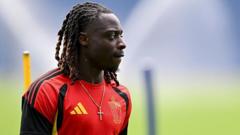
Doku Faces Backlash Over Family Priorities at World Cup
Belgium's winger Jeremy Doku has become the subject of significant criticism following his public statement about wanting to depart from the nation's World Cup camp. The Jeremy Doku World Cup controversy has ignited debate regarding the balance between professional commitments and personal family obligations during international tournaments.
The midfielder expressed his intention to leave the Belgian squad temporarily to be present during his wife's childbirth, marking the arrival of their first child. This announcement has generated considerable discussion among football analysts, teammates, and supporters regarding the protocols and expectations for players competing at the sport's highest level.
Understanding the Controversy
The criticism surrounding Doku's stance reflects the traditional expectations placed upon athletes during major international competitions. Many observers argue that players should maintain their focus solely on their national team obligations, while others contend that family milestones deserve recognition and support from employers.
Doku Belgium departure plans have raised questions about team management, player welfare policies, and the evolution of modern football's approach to work-life balance. The debate extends beyond the individual player to encompass broader conversations within the sport about how federations should handle similar situations in the future.
The Player's Perspective
Doku's position highlights a growing tension in professional football between institutional demands and personal life commitments. The winger's desire to support his spouse during a significant family event underscores the human element often overlooked in high-stakes sporting environments.
His decision to speak publicly about this matter has sparked broader discussions about athlete family priorities in competitive sports. Many athletes face similar dilemmas but remain silent, making Doku's openness noteworthy in reshaping conversations around player autonomy and well-being.
Institutional Response and Policy Implications
Belgium's football federation has had to address this situation amid ongoing World Cup squad decision management. The governing body faces pressure to establish clear guidelines regarding player absence during tournaments, particularly concerning legitimate family emergencies.
This incident may influence how international football organizations develop policies addressing parental leave and family emergencies. Other federations may now examine their own protocols, potentially leading to more progressive approaches that recognize both competitive integrity and human needs.
Broader Context in Modern Football
The Doku wife childbirth situation reflects evolving attitudes toward work-life balance in professional athletics. Recent years have witnessed increased discussions about mental health, family support, and player welfare, creating a more nuanced environment for addressing personal circumstances.
Professional football is gradually acknowledging that players are not purely athletic commodities but individuals with legitimate personal obligations. This case may serve as a catalyst for meaningful policy discussions at both national and international levels within the sport.
Looking Forward
Jeremy Doku's situation presents an opportunity for the football community to reconsider traditional approaches to player management during international tournaments. Whether his decision ultimately receives institutional support or not, the conversation he has initiated carries significant implications for how the sport addresses similar circumstances in the future.


