
Delivery Robots Face Growing Backlash as Cities Implement Restrictions
Autonomous delivery robots encounter mounting opposition across US cities. Discover why communities are banning these vehicles and what drives public backlash.
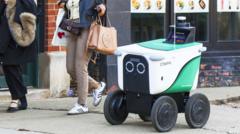
Delivery Robots Backlash Intensifies Across American Cities
The delivery robots backlash has emerged as a significant challenge for companies operating autonomous courier vehicles throughout the United States. As these self-driving devices become increasingly common on sidewalks and streets, community resistance has grown substantially, leading municipalities to reconsider their policies regarding robot deployment.
The proliferation of delivery robots backlash movements reflects broader concerns about urban infrastructure, pedestrian safety, and the impact of automation on neighborhood character. Cities ranging from San Francisco to Pittsburgh have witnessed organized opposition, with residents forming coalitions to oppose further expansion of these autonomous systems. Local governments now face mounting pressure to establish clear regulations and potential bans on robot operations within their jurisdictions.
Understanding Public Opposition to Autonomous Vehicles
The resistance to these autonomous couriers stems from multiple interconnected issues. Pedestrians report feeling unsafe sharing sidewalks with robots, particularly in densely populated areas where foot traffic is heavy. Parents with strollers, elderly citizens, and disabled individuals have voiced concerns about navigating around these devices, describing situations where robots obstruct pathways or create hazardous conditions.
Beyond safety considerations, community members object to what they perceive as corporate interests prioritizing profit over neighborhood quality of life. The proliferation of these machines contributes to increased congestion on already crowded sidewalks, particularly in urban centers where pedestrian space is limited. This tension between technological innovation and community welfare has become a defining characteristic of the delivery robots backlash phenomenon.
Bans and Restrictions Taking Hold
Multiple American cities have implemented formal bans or significant restrictions on robot operations. San Francisco suspended permits for autonomous delivery companies after community complaints reached critical levels. Seattle has restricted robot operations to specific hours and neighborhoods. Pittsburgh implemented a permitting system with strict operational guidelines.
These regulatory measures represent official acknowledgment of legitimate community concerns. Rather than allowing unlimited expansion, cities are adopting cautious approaches that balance innovation with public welfare. Some jurisdictions require companies to conduct thorough environmental impact assessments before deploying vehicles, while others mandate insurance coverage and operational protocols.
The Business Impact of Growing Resistance
For companies invested in delivery robot technology, the delivery robots backlash presents significant obstacles. Market expansion faces delays when municipalities implement moratoria or bans. Companies must invest in public relations campaigns and stakeholder engagement to address community concerns. Some businesses have voluntarily limited operations in hostile markets to avoid negative publicity and regulatory entanglement.
Despite setbacks, supporters of autonomous delivery technology argue these systems ultimately benefit consumers through faster service and reduced costs. They contend that robots improve efficiency while removing delivery drivers from dangerous traffic situations. This ongoing debate reflects fundamental disagreements about technological progress, with proponents emphasizing efficiency gains and critics prioritizing neighborhood livability.
Organized Protest Movements and Community Response
Organized opposition has manifested through petition drives, city council testimony, and direct action. Residents have physically blocked robot operations, disrupted demonstrations, and mounted sustained advocacy campaigns. These grassroots movements have proven surprisingly effective at influencing municipal decision-making, demonstrating that organized community pressure can constrain corporate expansion plans.
Social media amplified these protest movements, allowing dispersed opponents to coordinate efforts and share experiences. Stories of delivery robots malfunctioning, blocking accessibility routes, or creating hazards circulated widely, shaping public perception. This combination of grassroots activism and digital communication created momentum for regulatory action.
Future Prospects for Autonomous Delivery Technology
The trajectory of delivery robot adoption remains uncertain. Companies continue developing improved versions designed to address safety concerns and navigate obstacles more effectively. Meanwhile, cities continue implementing policies reflecting community preferences. Some municipalities have adopted middle-ground approaches that permit limited robot operations under strict supervision, allowing continued technological development while protecting neighborhood interests.
The delivery robots backlash ultimately reflects a broader societal conversation about accepting technological change. Cities must balance innovation incentives with resident protection, innovation with livability. As autonomous delivery technology matures, successful implementation likely requires greater collaboration between companies, municipalities, and community members rather than top-down deployment approaches that generated current opposition.
Navigating a Complex Technology Landscape
Moving forward, stakeholders must address legitimate concerns while enabling beneficial innovation. This requires transparent communication, genuine community input, and willingness to modify operational approaches. Companies must demonstrate commitment to safety, accessibility, and neighborhood harmony. Cities must establish rational regulations based on evidence rather than blanket prohibitions or uncontrolled expansion. Communities deserve voices in decisions affecting their streets and sidewalks.
The delivery robots phenomenon represents a crucial test case for how society manages technological disruption. The delivery robots backlash demonstrates that innovation without community consideration generates resistance. Successful autonomous delivery systems will likely emerge through collaboration respecting both technological possibilities and legitimate human concerns about shared urban spaces.


