Danny Glover Opens Up About Alzheimer's Diagnosis
Lethal Weapon actor Danny Glover, 79, reveals he has been living with Alzheimer's for years, discussing his diagnosis during The Today Show interview.
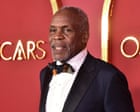
Danny Glover Reveals Living with Alzheimer's
Academy Award-honored performer Danny Glover has publicly disclosed that he has been managing an Alzheimer's diagnosis for several years. The revelation came during an appearance on The Today Show, where the 79-year-old actor opened up about his medical situation and how it has affected his daily life. Glover's decision to speak publicly about his Alzheimer's diagnosis marks an important moment in bringing awareness to the neurodegenerative condition that affects millions worldwide.
Timeline of Discovery
According to Glover, the Alzheimer's diagnosis was confirmed not long after he received an honorary Oscar in 2022, an achievement that marked a significant recognition of his distinguished career in entertainment. The actor reflected on how the diagnosis came during a time when he was being celebrated for his lifetime contributions to cinema. Despite this challenging news, Glover has maintained a positive perspective on his circumstances and his ability to continue contributing to society.
Impact on Physical and Cognitive Abilities
Glover acknowledged during his interview that the progressive nature of Alzheimer's has already begun to influence various aspects of his functioning. "I could live with it, in a sense. I'm sure as it advances, things are going to be different and changing," he stated, providing insight into his realistic expectations about the condition's trajectory. Specifically, Glover mentioned that his movements have become slower, his speech patterns have changed, and his memory function has declined—all common symptoms associated with Alzheimer's disease in its early to moderate stages.
Maintaining Hope and Purpose
When asked about his outlook on the future, Glover expressed a determination that extends beyond his diagnosis. "I don't feel like it's the end of my life. There's work to do. Your life continues," he stated, demonstrating a resolute attitude toward living meaningfully despite his medical challenges. This perspective reflects a mindset focused on what he can still accomplish rather than limiting himself through the constraints of his condition. The accomplished performer emphasized that life, though different, continues to hold purpose and opportunities for contribution.
Family Support System
A crucial element in Glover's approach to managing his Alzheimer's diagnosis has been the unwavering support of his family members. He praised his loved ones during the interview, noting that "they have got my back," indicating that family support plays a vital role in his coping mechanisms and day-to-day management of the condition. This emphasis on familial connections underscores the importance of a robust support network for individuals living with neurodegenerative diseases. The actor's openness about relying on family demonstrates how personal relationships become increasingly valuable when facing significant health challenges.
A Career Defined by Resilience
Danny Glover's legendary career includes his iconic role in the Lethal Weapon franchise, where he starred opposite Mel Gibson in one of Hollywood's most beloved action film series. Beyond his film work, Glover has been recognized as a humanitarian and activist throughout his decades in the entertainment industry. His decision to publicly discuss his Alzheimer's diagnosis aligns with his broader commitment to using his platform for meaningful communication about important social issues, including health matters that affect aging populations.
Looking Forward
Glover's public disclosure serves as an important reminder about the prevalence of Alzheimer's disease in older populations and the significance of continued research and support services. His willingness to speak candidly about his experiences may help reduce stigma surrounding cognitive health conditions and encourage others facing similar diagnoses to seek proper care and support. The actor's message emphasizes that receiving such a diagnosis, while serious, does not necessarily mark the end of a meaningful life or the ability to continue pursuing purposeful activities and maintaining personal connections.