
Colombia Earthquake Death Toll Reaches 180 as Rescue Teams Intensify Search
Colombia earthquake leaves 180 dead with ongoing rescue operations. Aftershocks continue as teams work to free survivors trapped in collapsed structures.
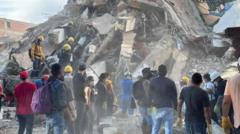
Colombia Earthquake Tragedy Unfolds with Growing Casualties
A devastating Colombia earthquake has claimed the lives of approximately 180 people, with emergency response teams working around the clock in desperate attempts to locate and extract survivors from the debris of collapsed buildings and infrastructures. The catastrophic seismic event has prompted one of the largest coordinated rescue missions in recent regional history, as search and rescue personnel navigate through hazardous conditions to locate those still trapped beneath rubble.
Continuing Aftershock Activity Complicates Rescue Efforts
As the primary impact of the Colombia earthquake subsided, numerous aftershocks rattled the affected region on Tuesday, creating additional challenges for rescue workers and heightening the danger of further structural collapses. These secondary tremors, while generally less intense than the initial earthquake, have forced rescue teams to pause operations intermittently and reassess safety protocols before resuming their critical work.
The unpredictable nature of aftershocks following such a major seismic event means that rescue personnel must remain vigilant and prepared to evacuate quickly if conditions deteriorate. Emergency management officials have established safe zones and evacuation routes to protect both survivors and rescue workers from potential secondary damage.
Survivor Extraction and Search Operations
Emergency services have mobilized extensive resources to address the humanitarian crisis created by the Colombia earthquake. Heavy machinery, trained search dogs, and specialized rescue teams equipped with cutting-edge detection technology have been deployed to identify pockets where survivors might be sheltering. Many individuals remain trapped in confined spaces between building materials, requiring careful and methodical excavation to prevent further injuries.
The rescue coordination centers have established communication networks to prioritize search areas based on population density and building damage assessments. Medical personnel are stationed at emergency shelters to provide immediate treatment to those who are successfully extracted from the rubble, addressing injuries ranging from minor fractures to critical trauma cases.
Infrastructure Damage and Regional Impact
The Colombia earthquake has caused extensive damage to residential buildings, commercial structures, and critical infrastructure throughout the affected zones. Roads and bridges have suffered structural compromise, limiting access for emergency vehicles and complicating the logistics of relief supply distribution. Water systems and electrical networks have been severely disrupted, leaving many communities without essential services during this critical period.
Municipal authorities have declared states of emergency in the most heavily impacted regions, enabling rapid deployment of additional resources and coordination with national government agencies. International humanitarian organizations have been contacted to provide supplementary support if local response capabilities become overwhelmed.
Community Response and Relief Efforts
The Colombia earthquake has galvanized community members to assist in rescue and recovery operations. Volunteers from neighboring communities have arrived to support official rescue teams, offering physical assistance and emotional support to displaced persons. Local organizations have established temporary shelters, distributing food, water, and medical supplies to those who have lost their homes.
Recovery centers have been opened in safer locations to provide psychological support and crisis counseling for trauma survivors. The psychological impact of experiencing such a major natural disaster often extends far beyond the immediate rescue phase, requiring long-term mental health intervention and community support programs.
Looking Forward: Recovery and Preparedness
As rescue operations continue following the Colombia earthquake, attention is beginning to shift toward medium and long-term recovery planning. Engineers will conduct structural assessments to determine which buildings can be safely reconstructed and which must be demolished. Reconstruction efforts will likely span months or years, requiring significant financial investment and sustained international attention.
The Colombia earthquake serves as a sobering reminder of the region's seismic vulnerability and the critical importance of earthquake preparedness, building code enforcement, and disaster response planning. Government officials have committed to reviewing and strengthening existing safety protocols to better protect citizens from future seismic events.


