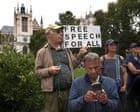
Clacton Byelection Polls Close: Farage Faces Eccentric Rivals
Polls closed in Clacton byelection where Nigel Farage competes alongside Count Binface and fringe candidates in UK's longest ballot.
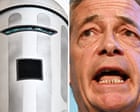
Clacton Byelection Concludes with Record-Breaking Ballot Paper
The Clacton byelection has now concluded after voting ended in what marked one of the most unconventional electoral contests in recent British political history. The Clacton byelection featured an exceptionally long ballot paper that included numerous eccentric and fringe candidates competing alongside mainstream political figures. Residents across the Essex constituency participated in a voting process that became notably memorable for its sheer number of candidates seeking representation.
Among the contenders who appeared on the Clacton byelection ballot were novelty candidates such as Count Binface, a satirical figure known for appearing in various UK elections, and Howling Laud Hope, representing the Monster Raving Loony Party. These characters shared the ballot alongside Reform UK leader Nigel Farage, creating an unusually diverse and colorful selection of political options for voters to consider.
Nigel Farage's Electoral Challenge in Essex
Nigel Farage, the prominent Reform UK leader, faced particular scrutiny during the Clacton byelection campaign. Farage had vacated his parliamentary seat at the beginning of July, deliberately triggering this byelection to address mounting concerns regarding a controversy surrounding gifts he had allegedly received. The decision to trigger the Clacton byelection represented a significant political maneuver aimed at clearing the air regarding the accumulating scandal.
The resignation that precipitated the Clacton byelection came at a critical juncture for Farage and his Reform UK party. By stepping down and forcing a new electoral contest in his constituency, Farage sought to demonstrate confidence in his continued support among local constituents. The strategy reflected broader calculations about political positioning and maintaining credibility with Reform UK's electoral base.
Record-Breaking Ballot Paper Length
The Clacton byelection ballot paper itself became a notable feature of the electoral process. The sheer number of candidates standing in the Clacton byelection created what observers described as the longest ballot in UK voting history. This exceptional length resulted from the relatively low barriers to entry for candidates seeking to contest the seat, allowing numerous independent and fringe party representatives to register their candidacy.
The extended ballot paper presented voters with an unusually comprehensive range of political perspectives and platforms. Beyond the Clacton byelection's mainstream candidates, voters encountered representatives from minor parties and independent campaigners advocating diverse policy positions. This diversity reflected the open nature of British electoral regulations, which permit candidates to stand with minimal formal party affiliation or institutional backing.
The Broader Context of the Clacton Byelection
The Clacton byelection took place within a specific political context involving questions about parliamentary conduct and standards. The underlying controversy prompting the Clacton byelection centered on allegations regarding undisclosed or improperly declared gifts received by Farage. These concerns had generated significant media attention and political discussion prior to the Clacton byelection campaign.
Farage's decision to contest the Clacton byelection directly demonstrated his willingness to submit himself to fresh electoral judgment from constituents. By resigning voluntarily and immediately standing for re-election, Farage attempted to reframe the narrative surrounding the gifts controversy. The Clacton byelection therefore functioned as both a test of local constituent support and a potential mechanism for political rehabilitation.
Novelty Candidates and Electoral Participation
The presence of Count Binface and other satirical figures in the Clacton byelection reflected a broader phenomenon in contemporary British elections where novelty candidates attract media attention and voter interest. These candidates typically combine humor and political commentary, offering voters alternative options beyond traditional party politics. The Clacton byelection exemplified how such candidates have become regular features in UK electoral contests, particularly in high-profile byelections.
The participation of eccentric candidates in the Clacton byelection also highlighted public engagement with electoral processes. Despite sometimes being dismissed as frivolous, novelty candidates can serve to increase voter turnout and sustain public interest in democratic participation. The Clacton byelection therefore attracted diverse demographic groups with varying levels of traditional political engagement.
Electoral Implications Moving Forward
The results of the Clacton byelection hold potential significance for understanding voter sentiment regarding Reform UK and Nigel Farage's political trajectory. The electoral outcome would provide measurable data about constituent confidence levels and Farage's continued viability as a political figure. The Clacton byelection therefore represented more than simply filling a vacant parliamentary seat; it functioned as a substantive assessment of political standing and electoral appeal within a specific geographical and demographic context.