
Churchill Portrait Exhibition Withdrawn Over Bengal Famine Controversy
National Portrait Gallery cancels video installation amid dispute over Winston Churchill's historical role in the Bengal famine crisis.
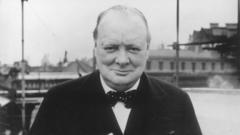
Portrait Gallery Removes Disputed Churchill Installation
The National Portrait Gallery has withdrawn a significant video installation following escalating tensions regarding Churchill's involvement in the Bengal famine tragedy. The controversial display sparked considerable debate among historians, curators, and cultural commentators concerning the portrayal of historical figures and institutional responsibility in presenting complex historical narratives.
The exhibition, which examined Churchill's controversial legacy during one of history's most devastating humanitarian crises, prompted substantial backlash. The withdrawal reflects broader institutional challenges when museums attempt to address uncomfortable historical truths while balancing multiple perspectives and audience expectations.
Understanding the Controversy
The video installation made specific claims about Churchill's role during the Bengal famine, one of the deadliest famines of the twentieth century. These assertions created significant discussion across academic circles, media outlets, and social platforms regarding how historical accountability should be presented in public cultural institutions.
The Bengal famine of 1943 resulted in an estimated three million deaths across the Indian subcontinent. Historical scholarship continues to debate Churchill's administrative decisions and their impact on the humanitarian disaster. The National Portrait Gallery's installation attempted to contextualize these complex historical events within a broader examination of Churchill's leadership during World War II.
Institutional Response and Withdrawal
Museums and galleries increasingly navigate challenging conversations surrounding colonial history, wartime decisions, and their long-term consequences. The National Portrait Gallery's decision to withdraw the exhibition demonstrates the sensitivity surrounding how institutions present contested historical interpretations and the pressures they face from various stakeholders.
The removal followed intense public and private discussions about the installation's framing, accuracy, and appropriateness within the gallery's collection and programming strategy. Such decisions reflect evolving standards in museum curation regarding historical representation and institutional accountability.
Broader Context of Historical Reckoning
Cultural institutions worldwide increasingly confront questions about how to meaningfully engage with difficult historical periods while respecting diverse viewpoints. The Churchill controversy exemplifies contemporary debates about historical memory, institutional responsibility, and the intersection of politics and cultural presentation.
The National Portrait Gallery's approach to this situation highlights the complex terrain between presenting historical analysis and navigating contemporary sensitivities. Museums function as spaces where historical narratives are contested, debated, and ultimately shaped for public understanding and education.
Future Implications for Museums
This incident contributes to broader conversations about curatorial independence, institutional mission, and public accountability in cultural spaces. The withdrawal raises important questions about how galleries can authentically address historical complexity while maintaining institutional credibility and public trust.
The National Portrait Gallery's experience serves as a significant case study in contemporary museum practice, illustrating the challenges institutions face when presenting historical material involving controversial figures and contested events. Moving forward, cultural organizations must develop sophisticated strategies for addressing historical nuance, acknowledging multiple perspectives, and facilitating informed public discourse about complex historical legacies and their contemporary relevance.


