
China Exploits Global Trade Routes to Circumvent US Tariff Policies
US intelligence reveals how China orchestrates tariff evasion through dozens of nations. Strategic trade routing undermines Trump's tariff strategy across multiple borders.
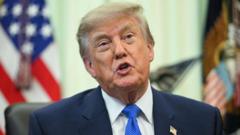
China's Strategic Tariff Evasion Network Exposed
A comprehensive United States government investigation has uncovered an extensive network where China strategically redirects merchandise through multiple nations characterized by reduced tariff structures. This elaborate tariff evasion scheme demonstrates how Beijing systematically circumvents elevated trade barriers implemented by Washington, utilizing numerous countries as intermediaries in a sophisticated global supply chain manipulation strategy.
The intelligence findings reveal that Chinese exporters have developed complex logistical frameworks designed to minimize exposure to punitive tariff regimes. By leveraging nations with preferential trade agreements or minimal customs enforcement, China has managed to substantially reduce the financial impact of American tariff policies on its merchandise entering US markets.
Methodology Behind the Tariff Evasion Strategy
According to the official report, China's tariff evasion approach involves several interconnected mechanisms. Goods undergo subtle reprocessing or repackaging in intermediate nations, allowing them to be reclassified under different origin designations. This reclassification enables products to bypass stricter tariff classifications that would otherwise apply directly to Chinese-manufactured items.
Key Components of the Circumvention Network
The investigation identified multiple nations serving as critical nodes within this tariff evasion infrastructure. These countries function as transshipment hubs where merchandise temporarily resides before continuing to American ports of entry. The strategy exploits differences in bilateral trade agreements and customs verification procedures across jurisdictions.
Chinese enterprises have established subsidiary operations and distribution centers throughout Southeast Asia, creating a veneer of legitimate local manufacturing. These operations perform minimal processing on imported Chinese components before exporting finished goods, allowing them to claim local origin status under various trade preference programs.
Impact on US Trade Policy and Enforcement
This extensive tariff evasion network undermines the effectiveness of American tariff mechanisms designed to protect domestic industries. The circumvention strategy reduces the intended protective effect of higher duties on Chinese merchandise, enabling continued market penetration despite elevated trade barriers.
US Customs and Border Protection officials acknowledge that identifying and preventing tariff evasion requires sophisticated intelligence gathering and international cooperation. The complexity of modern global supply chains creates substantial challenges for enforcement personnel attempting to trace product origins and detect fraudulent classification schemes.
International Cooperation Requirements
The report emphasizes that addressing China's tariff evasion activities demands coordinated action among dozens of nations involved in these transshipment networks. Without reciprocal enforcement efforts and unified customs procedures, unilateral American tariff policies prove insufficient to achieve their intended economic objectives.
Intermediate nations must strengthen border controls, implement rigorous origin verification protocols, and enhance transparency in customs documentation. The investigation recommends establishing multilateral agreements that standardize tariff classification procedures and increase penalties for participating in fraudulent transshipment schemes.
Long-Term Implications for Global Trade
This tariff evasion phenomenon signals a broader challenge facing contemporary trade policy enforcement. As global supply chains become increasingly complex and interconnected, protecting domestic industries through tariff mechanisms becomes progressively more difficult. The China tariff evasion network demonstrates how determined actors can exploit regulatory gaps across multiple jurisdictions simultaneously.
The continued effectiveness of American trade policy depends substantially on enhanced international cooperation and modernized customs enforcement infrastructure. Without significant improvements in cross-border verification and transparency mechanisms, tariff evasion through intermediate nations will likely expand rather than diminish in coming years.


