
China Criticizes New US Sanctions Against Iran and Trading Partners
China condemns US sanctions on Iran as illegal, warning against trade restrictions on nations maintaining business ties with Tehran and Beijing's oil imports.
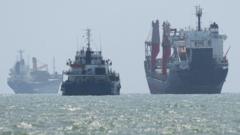
China Condemns US Sanctions on Iran Strategy
Beijing has issued a strong rebuke against recent US sanctions on Iran, characterizing the measures as unlawful interference in international commerce. The US sanctions on Iran represent an escalation in trade tensions, particularly affecting nations that maintain significant business relationships with Tehran. China, as one of Iran's largest trading partners, has expressed particular concern about restrictions that could disrupt energy markets and bilateral trade agreements.
Impact on Oil Trade and Energy Markets
Iran remains a critical energy supplier to multiple nations worldwide, with Beijing purchasing substantial quantities of crude oil from the Persian Gulf nation. The US sanctions on Iran threaten to disrupt these established commercial relationships and create uncertainty in global energy supplies. Chinese officials have warned that such unilateral measures contravene international law and undermine the principles of free trade that govern the global economy.
Oil Export Disruptions
Tehran's petroleum exports constitute a vital component of its economy, generating essential revenue for the country. By imposing restrictions on nations purchasing Iranian oil, the United States seeks to pressure Tehran economically. However, this approach creates significant challenges for buyer nations like China, which depend on diversified energy sources to meet domestic consumption demands and maintain economic stability.
China's Position on Trade Sovereignty
Beijing has consistently argued that countries retain the sovereign right to conduct business with any nation, provided such transactions comply with international law and regulations. The escalation through US sanctions on Iran conflicts with this principle, according to Chinese government statements. Officials in the Chinese capital have emphasized that secondary sanctions—measures targeting third countries for trading with Iran—constitute extraterritorial application of American law and violate established norms of international conduct.
Broader Trade Relationship Concerns
This confrontation extends beyond the Iran-China bilateral relationship, affecting numerous trading partners who engage with Tehran across various sectors. The US strategy to isolate nations continuing business with Iran raises questions about the future of global commerce and whether powerful nations can unilaterally dictate international trading patterns. China views these developments as a threat to the multilateral trading system and has called for dialogue-based solutions to resolve disputes.
Historical Context and Previous Tensions
This latest episode represents another chapter in the complex relationship between Washington, Beijing, and Tehran. Previous iterations of US sanctions on Iran have repeatedly triggered diplomatic protests from Chinese officials. The cyclical nature of these confrontations has created an unpredictable environment for international business and investment, particularly in energy sectors where long-term contracts require stability and predictability.
China has previously stated that arbitrary changes to sanctions regimes undermine confidence in international agreements and damage the rules-based order that many nations depend upon. Each new round of US sanctions on Iran intensifies these concerns and prompts Beijing to reaffirm its commitment to independent foreign policy decisions.
Economic Implications for Multiple Nations
Beyond China, numerous other countries maintain commercial ties with Tehran, including nations in Europe, Asia, and Africa. These trading partners face difficult choices between maintaining their Iranian business interests and complying with US pressure. The situation demonstrates how unilateral sanctions regimes create winners and losers in the global economy, potentially disadvantaging nations that lack the economic leverage to resist American pressure.
Energy companies, financial institutions, and traders operating internationally must navigate increasingly complex sanctions landscapes. The uncertainty generated by the US sanctions on Iran forces businesses to reassess their risk profiles and potentially withdraw from profitable markets to avoid legal consequences in American jurisdictions.
International Law and Sovereignty Questions
China's criticism focuses heavily on the legality and legitimacy of extraterritorial sanctions enforcement. According to Beijing's official position, only the United Nations Security Council possesses authority to impose comprehensive sanctions on sovereign nations. Unilateral American measures, in this view, represent overreach that contradicts international legal frameworks established after World War II.
This argument has gained support from various nations and legal experts who question the legitimacy of secondary sanctions. The debate continues at international forums, with China actively advocating for reform of sanctions practices and stronger protections for nations' rights to conduct independent foreign policy and trade relationships.
Future Outlook for US-China-Iran Relations
The trajectory of these tensions remains uncertain as diplomatic channels persist between Washington and Beijing. Neither side shows signs of immediate capitulation, suggesting that conflicts over the US sanctions on Iran will likely persist. China's unwillingness to abandon Iranian trade partnerships indicates that this issue will remain a significant friction point in US-China relations for the foreseeable future.


