
Carney Condemns Trump's Tariff Strategy as Major Miscalculation
Carney criticizes Trump's tariff approach as a serious miscalculation following collapsed trade negotiations. Canada prepares retaliatory measures.
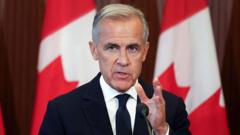
Carney's Response to Trump's Tariff Strategy
Canada's prime minister has strongly criticized Trump's tariff approach, labeling the latest rounds of trade measures as a significant miscalculation in international commerce. The statement comes amid escalating tensions between the two nations following unsuccessful trade negotiations, with officials indicating that retaliatory actions are now imminent.
The prime minister expressed reluctance while announcing that Canada would implement counter-tariffs in response to the aggressive US trade stance. His remarks underscore the frustration felt by Canadian leadership over what they perceive as unilateral and economically damaging decisions by the American administration.
Breakdown of the Trade Dispute
The conflict represents a critical juncture in North American trade relations. Trump's tariff approach has prompted swift condemnation from Ottawa, which argues that such protectionist measures will harm both economies and destabilize the continental market. The prime minister's characterization of these tariffs as a miscalculation reflects Canada's assessment that the policy will ultimately backfire.
Trade talks between the two nations have deteriorated significantly, with diplomats failing to reach any consensus on resolving their economic differences. The breakdown in negotiations has cleared the path for Canada to pursue defensive trade mechanisms, signaling that the situation has reached a critical impasse.
Canada's Retaliatory Position
While announcing the retaliatory measures, Canada's leadership emphasized their reluctance to escalate the dispute further. However, they maintained that defending their economic interests and workers left no alternative to implementing counter-tariffs. These measures are designed to protect Canadian industries from what officials view as unfair American trade practices.
The retaliatory tariffs target various sectors of the American economy, aiming to create pressure for a return to negotiations. Canadian officials have indicated that these actions represent a proportional response to the tariff escalation initiated by the Trump administration.
Economic Implications and Market Impact
Analysts have warned that the escalating tariff dispute poses significant risks to both economies. The trade war rhetoric and actual implementation of tariffs could disrupt supply chains, increase consumer prices, and dampen economic growth across North America. Investors and businesses on both sides of the border have expressed concern about the uncertainty created by this trade conflict.
Trump's tariff strategy has been criticized not only by Canadian officials but also by economic experts who argue that such protectionist approaches rarely achieve their intended objectives. Instead, they frequently result in retaliatory actions and broader economic damage, as evidenced by the current situation.
International Trade Implications
The deterioration of trade relations between the United States and Canada has broader implications for international commerce. Other trading partners are closely monitoring the situation, recognizing that the outcome could influence global trade patterns and protectionist policies elsewhere.
The collapse of trade talks represents a failure of diplomatic efforts to resolve differences through negotiation. Both sides had engaged in discussions aimed at finding common ground, but fundamental disagreements over tariff policies and trade principles ultimately prevented any breakthrough.
Looking Forward
The implementation of Canadian retaliatory tariffs marks a significant escalation in the trade dispute. Officials in Ottawa have indicated openness to renewed negotiations, but only if the Trump administration demonstrates willingness to reconsider its tariff approach. Until such circumstances arise, Canada remains committed to defending its economic interests through counter-measures.
The situation underscores the complexities of modern international trade and the challenges of resolving disputes between major trading partners. As the tariff war continues, both nations face pressure to find a path toward resolution that protects their respective interests while minimizing economic damage to both sides of the border.


