
Canada Must Resist US Trade Pressure, Manitoba Leader Declares
Manitoba premier Wab Kinew urges Canada to fight US trade demands as deadline approaches. Prime Minister Mark Carney faces challenge securing public support for potential deal.
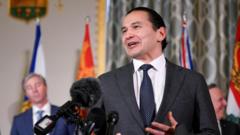
Manitoba Premier Calls for Strong Stance Against US Trade Pressure
As the US trade deadline looms, provincial leadership is signaling that Canada must adopt a firm negotiating position. The comments from Manitoba Premier Wab Kinew underscore the growing complexity surrounding potential US trade negotiations and the political landscape Prime Minister Mark Carney must navigate to gain public confidence in any agreement.
Political Challenges in Trade Negotiations
The remarks from Kinew reflect deepening concerns about how Canadian interests will be protected during upcoming trade discussions. His assertion that Canada should actively contest unfavorable terms demonstrates the pressure facing federal leadership to secure a deal that resonates with provinces and citizens alike. The US trade deadline creates an urgent timeframe, forcing negotiators to balance speed with substantive protections for Canadian industries and workers.
Prime Minister Mark Carney's Path Forward
Mark Carney confronts a significant challenge in building consensus among Canadians regarding the proposed trade arrangement. To succeed, the Prime Minister must address provincial concerns, demonstrate that negotiations will safeguard key economic sectors, and communicate the benefits of any agreement to the broader public. Kinew's statements suggest that provinces will scrutinize federal trade decisions closely and expect their voices to be heard throughout the process.
Provincial Perspectives on Trade Strategy
Manitoba's position illustrates how provincial governments are actively engaging in the trade debate rather than remaining passive observers. Premier Kinew's call for Canada to fight indicates that provinces believe they have legitimate stakes in trade outcomes and should have meaningful input into negotiating positions. This multi-level governmental involvement adds another layer of complexity to what was already a challenging diplomatic situation.
Broader Implications for Canadian Trade Policy
The dynamics surrounding the US trade deadline reveal fundamental questions about how Canada approaches international economic agreements. Public sentiment appears to favor a principled stance rather than capitulation to American pressure. As discussions continue, the federal government must balance the need for timely resolution against legitimate concerns from provinces, industry groups, and citizens who worry about protecting Canadian sovereignty and economic interests.
Timeline and Negotiation Pressure
With the US trade deadline serving as a forcing mechanism, negotiators face mounting pressure to reach conclusions quickly. However, rushing toward an agreement without adequate consultation risks creating political backlash domestically. The comments from Kinew and other provincial leaders suggest that any deal will face intense scrutiny, requiring the federal government to justify its decisions and demonstrate that Canadian negotiators successfully advocated for their nation's interests throughout the process.


