
Can Technology Effectively Replace Firefighters Battling Wildfires?
Explore how technology complements firefighting efforts in wildfire management. Discover whether innovative tools can replace human firefighters in combating wildfires.
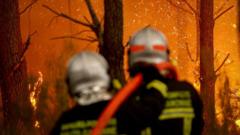
Technology's Role in Wildfire Management
The question of whether technology can replace firefighters in battling wildfires has become increasingly relevant as communities face escalating fire threats. While innovative solutions are transforming how wildfires are detected and monitored, the reality remains that technology and human expertise work together rather than one replacing the other.
Advanced Detection and Monitoring Systems
Modern surveillance technology has revolutionized early wildfire detection. Satellite imagery, drone surveillance, and artificial intelligence-powered monitoring systems now scan vast landscapes continuously, identifying smoke and heat signatures long before human observers might spot them. These technological advances enable rapid response protocols, alerting fire management teams within minutes of fire ignition.
Thermal imaging cameras and infrared sensors can detect temperature anomalies across thousands of acres, providing real-time data that helps incident commanders make strategic decisions. Machine learning algorithms analyze historical fire patterns and current weather conditions to predict potential fire behavior with increasing accuracy.
Limitations of Technology in Firefighting
Despite remarkable technological progress, the fundamental limitations become apparent when examining what actually extinguishes wildfires. Robots and automated systems lack the adaptability and critical thinking that experienced firefighters provide. Wildfires are unpredictable, creating dynamic conditions that demand instant human judgment and swift tactical adjustments.
Weather changes, wind shifts, and terrain variations require trained professionals to evaluate situations and modify strategies on the ground. Equipment operators must navigate dangerous conditions, rescue civilians, and make split-second decisions that machines cannot yet replicate reliably.
The Essential Human Element
Firefighters possess irreplaceable skills developed through years of training and experience. They understand fire behavior at a visceral level, can safely operate complex equipment in hazardous environments, and coordinate with colleagues to execute complex rescue operations. Physical presence at fire scenes remains essential for water delivery, structure protection, and emergency assistance.
The human element extends beyond firefighting operations. Firefighters conduct community education, perform preventative maintenance on equipment, and provide psychological support during emergencies. Their expertise in reading landscapes and making context-dependent decisions cannot be automated.
Technology as a Support System
Rather than replacing firefighters, technology enhances their effectiveness and safety. Drones can scout ahead to identify hazards before personnel arrive. Weather prediction systems help commanders position crews strategically. Communication technologies keep teams coordinated across vast fire zones. Mapping software provides terrain analysis that supports tactical planning.
Automated systems handle repetitive monitoring tasks, freeing skilled firefighters to focus on complex decision-making and direct response activities. This partnership amplifies human capabilities rather than eliminating the need for trained personnel.
The Future of Wildfire Response
Looking forward, the most effective wildfire management strategies will continue integrating technology with human expertise. Investment in both advanced detection systems and comprehensive firefighter training programs serves communities better than pursuing either path exclusively.
Innovation should focus on tools that augment firefighter capabilities, improve safety, and provide better situational awareness. Autonomous systems might handle specific tasks like fuel management or perimeter monitoring, but human leadership and decision-making remain central to successful wildfire suppression.
The answer to whether technology can replace firefighters is definitively no. The synergy between cutting-edge innovation and experienced human responders represents the optimal approach to managing wildfire threats in an era of climate-driven increases in fire activity.


