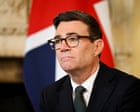
Burnham's Path to Labour Leadership Strengthens After Electoral Victory
Andy Burnham gains momentum in Labour leadership race following byelection win. Allies confident of swift transition as MP backing surges significantly.

Burnham Momentum Builds in Labour Leadership Contest
Andy Burnham's prospects in the Labour leadership race have strengthened considerably following his recent electoral success. The former Manchester mayor and his supporters are mobilizing parliamentary backing as part of a broader strategy to position him as the preferred candidate to succeed Keir Starmer. This Labour leadership race represents a significant moment for the party's future direction and organizational structure.
Sources close to Burnham's campaign indicate that recent days have been devoted to systematic engagement with Labour MPs and government ministers. This coordinated outreach effort reflects confidence within his inner circle regarding the viability of his candidacy and the broader appeal of his political platform among senior party figures.
Electoral Victory Catalyzes Political Realignment
The byelection triumph has served as a catalyst for momentum within Burnham's corner of the Labour Party. The electoral performance provided tangible evidence of political strength that resonates with colleagues across Westminster. Parliamentary colleagues have responded to this demonstration of electoral appeal, with growing numbers publicly or privately committing support to his leadership ambitions.
The Labour leadership race dynamics have shifted noticeably since Burnham's victory was announced. Previously undecided MPs have begun reassessing their positions, and some who were keeping their options open have moved toward explicit endorsements. This consolidation of support represents a critical phase in determining how the party will navigate its transition period and select new direction-setting leadership.
Questions Remain Regarding Leadership Selection Process
Despite mounting enthusiasm from Burnham's allies, not all Labour MPs view an uncontested succession as ideal. Some parliamentary members believe that even a frontrunner candidate should face rigorous examination of their policy ideas through a competitive Labour leadership race. These voices argue that internal debate and multiple candidates would serve the party better than accepting an inevitable outcome without meaningful deliberation.
This philosophical disagreement reflects broader tensions within Labour regarding how leadership transitions should occur. Proponents of a contested race contend that mandatory scrutiny of policy platforms strengthens democratic processes within the party. They argue that candidates should articulate detailed positions on key issues facing Britain and explain how their vision differs from competitors.
Strategic Implications for Labour Party
The trajectory of the Labour leadership race will significantly impact party unity and morale heading into the next electoral cycle. A swift, uncontested coronation-style process might preserve party cohesion but could leave some members feeling excluded from important decisions. Conversely, a competitive race involving multiple candidates could energize grassroots participation while potentially creating divisions that take months to heal.
Burnham's campaign team appears confident that their electoral mandate translates into sufficient parliamentary support to secure the nomination. However, the party's constitutional rules and procedural requirements will ultimately determine whether a coronation remains possible or whether a fuller Labour leadership race becomes inevitable. Party officials are reviewing these mechanisms to ensure clarity on the selection process.
Looking Forward: What's Next for Labour
Coming weeks will prove decisive for determining whether Burnham can consolidate his advantages or whether competitors will emerge to contest the Labour leadership race. His team's intensive lobbying efforts suggest they believe a narrow window exists for securing party consensus before the formal campaign period commences. The outcome of these backroom negotiations will shape Labour's strategic positioning and public messaging throughout the remainder of the year and beyond.