
Burnham Dismisses Early Election Prospect as PM
Burnham rules out early election as new PM. The Makerfield MP will oversee Labour's 2024 manifesto, expected to assume office this month.
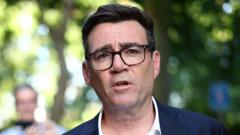
Burnham Dismisses Early Election Prospect as PM
Andy Burnham, the freshly elected Member of Parliament representing Makerfield, has explicitly ruled out the possibility of calling an early election once he assumes the position of Prime Minister. The politician's stance on Burnham early election timing represents a commitment to maintaining political stability within the Labour government during the forthcoming months.
Timeline for Leadership Transition
Sources indicate that Burnham is poised to assume the highest office within the coming weeks. His transition into the role of Prime Minister marks a significant moment in British politics, following the Labour party's electoral mandate. The incoming PM has signaled his intention to remain focused on governing rather than pursuing additional electoral mandates in the near future.
Commitment to Labour's Electoral Platform
The newly appointed Makerfield representative has reinforced his dedication to implementing the Labour manifesto that was presented to voters during the 2024 general election campaign. This commitment underscores the party's intention to deliver on promises made to the electorate, rather than seeking to reset the political landscape through an immediate poll. Burnham's adherence to the established Labour manifesto 2024 demonstrates consistency with party principles and voter expectations.
Political Strategy and Governance Priorities
By ruling out Burnham early election consideration, the incoming Prime Minister has established a clear governance framework for his administration. This decision reflects a strategic choice to prioritize legislative implementation over electoral posturing. The Labour government, under Burnham's leadership, will focus on executing its policy agenda as outlined during the campaign cycle.
Significance for Labour Leadership
The UK Prime Minister's position on election timing carries substantial implications for the party's medium-term strategy. Rather than pursuing the constitutional option available to sitting governments, Burnham has chosen to dedicate his tenure to substantive policy work. This approach suggests confidence in Labour's electoral position and a desire to demonstrate effective governance to the British public.
Broader Political Context
Burnham's determination to avoid a premature election reflects broader concerns about political continuity and institutional stability. The political election timing decision underscores a recognition that frequent electoral cycles can create uncertainty in both legislative progress and economic planning. By committing to complete the parliamentary term as established by existing constitutional frameworks, the incoming administration sends a message of purposeful governance.
The Makerfield MP's pronouncements regarding political strategy align with established conventions within the Westminster system, where Prime Ministers typically seek to maximize their parliamentary majorities before triggering additional votes. This pragmatic approach allows governments to implement their full agenda before seeking renewed validation from voters. Burnham's public statements on this matter have been unambiguous in their rejection of any early election scenario.
Implementation of Government Agenda
With the commitment to avoid early elections firmly established, Burnham's administration can now focus on delivering the Labour manifesto commitments. The policy priorities outlined during the electoral campaign will guide the government's legislative agenda throughout the parliamentary term. This stability provides civil servants, businesses, and citizens with a clear framework for understanding the government's priorities and timeline.
The decision to rule out Burnham early election possibilities represents a maturation of political strategy, emphasizing delivery over electoral adventurism. As the UK Prime Minister, he will inherit significant responsibilities across healthcare, education, economic policy, and social services. The commitment to remain focused on governance rather than campaigning allows for sustained attention to these critical areas.
Conclusion
Andy Burnham's explicit rejection of early election prospects signals a government committed to stability, implementation, and delivery on electoral promises. The Makerfield representative's upcoming assumption of the Prime Minister role comes with a clear mandate to govern according to Labour's 2024 manifesto. This approach demonstrates confidence in the party's position and a pragmatic understanding of effective government management within the Westminster system.


