Budget 2026: Healey Raises Bank and Landlord Taxes for £100 Support
Chancellor Healey announces new tax measures on financial institutions and property owners to deliver £100 winter payments to 20 million households amid ongoing cost of living pressures.

Chancellor's First Budget Delivers £100 Winter Support Through New Tax Measures
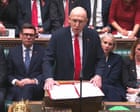
Chancellor John Healey unveiled a significant fiscal package that introduces Budget 2026 tax increases targeting the financial and property sectors to finance direct assistance for millions of struggling families. The Budget 2026 tax increases are designed to provide £100 payments to approximately 20 million households facing prolonged economic hardship.
In his inaugural budget presentation, Healey attributed the persistent economic challenges to international geopolitical tensions and volatile energy markets. The chancellor characterized the current situation as shaped by "global economic storms," pointing to escalating conflicts in the Middle East that have driven crude oil and liquefied natural gas prices to uncomfortable levels for consumers across the United Kingdom.
Comprehensive Tax Strategy on Banks and Property Sector
The financial services industry faces new taxation requirements under this budget framework, alongside substantial increases targeting landlords and property investors. These revenue-generating measures represent a deliberate shift in fiscal policy aimed at redistributing resources toward households most affected by inflationary pressures and energy cost surges.
Banking institutions will encounter enhanced tax obligations designed to capture a portion of sector profits during a period when ordinary citizens struggle with energy bills and basic living expenses. The landlord tax provisions similarly aim to ensure that property investors contribute more substantially to the national coffers, with revenues flowing directly into household support mechanisms.
The Persistent Cost of Living Challenge
Official economic forecasts presented alongside the budget announcement confirm that relief from the cost of living crisis remains distant. Government statisticians and independent analysts alike predict continued pressure on household budgets throughout the coming years, with energy prices expected to remain elevated relative to historical averages.
The winter handout of £100 per qualifying household represents an immediate, though modest, intervention designed to ease pressure during the coldest months when heating and utility demands peak. With 20 million households eligible for this payment, the government is attempting to target support toward those most vulnerable to energy poverty.
Energy Market Dynamics and Global Influences
The chancellor's remarks highlighted how international developments directly impact domestic economic conditions. Geopolitical instability in major oil-producing regions constrains global energy supply, effectively transmitting price shocks into UK household utility bills and heating costs. This structural constraint on energy availability means traditional monetary policy tools prove insufficient for addressing the underlying economic pressures.
Oil and gas markets remain sensitive to Middle Eastern developments, with tensions between regional powers creating uncertainty that energy traders immediately factor into commodity pricing. These international forces operate beyond the direct control of national governments, though fiscal measures like those announced in this budget represent domestic policy responses to externally-generated economic shocks.
Fiscal Policy Direction and Economic Outlook
The chancellor's cautious tone throughout the budget address reflected acknowledgment that immediate, comprehensive solutions to affordability pressures remain elusive. Rather than promising rapid resolution, Healey emphasized realistic assessments of economic conditions and measured policy responses grounded in available fiscal capacity.
The combination of revenue-raising measures targeting specific sectors with direct household transfers represents a balanced approach attempting to address both immediate hardship and longer-term fiscal sustainability. By concentrating taxation increases on financial institutions and property markets rather than wage earners or consumption, the budget seeks to minimize direct impacts on economic activity while generating resources for vulnerable populations.
Implementation and Future Considerations
The £100 winter payment delivery mechanism requires coordination across government departments and local authorities responsible for identifying and reaching eligible households. Planning for this distribution process occurred in parallel with budget preparation, ensuring timely provision of support before peak winter energy demand periods.
Looking forward, the government faces continued pressure to demonstrate that fiscal interventions produce tangible improvements in household financial situations. The success of this budget approach depends partly on whether energy markets stabilize and partly on whether additional support becomes necessary as economic conditions evolve throughout the budget year.