Brown Skuas and Giant Petrels in WA Test H5N1 Spread
Brown skuas and giant petrels found sick on WA beaches raise concerns about H5N1 bird flu arrival from Antarctica. Scientists warn of wildlife implications.
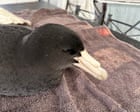
Rare Landfall of Brown Skuas and Giant Petrels Signals Potential Health Crisis
The discovery of brown skuas and giant petrels washing ashore on Western Australia's southern coastline has prompted urgent investigation among wildlife authorities and epidemiologists. These Antarctic seabirds typically avoid land except during breeding seasons, making their appearance on WA beaches an unexpected and troubling development that scientists suggest warrants immediate attention regarding H5N1 transmission patterns.
Understanding the Species and Their Behavior
Brown skuas and giant petrels represent a significant portion of Antarctica's avian population, spending most of their lives traversing vast ocean expanses in search of food. These powerful fliers are specially adapted for maritime environments, with their waterproof plumage and efficient hunting capabilities making them formidable ocean dwellers. Ornithologists have long noted that these species demonstrate remarkable reluctance to establish terrestrial presence, preferring the open waters where they hunt fish, squid, and smaller seabirds.
The behavioral patterns of brown skuas and giant petrels have been extensively documented through decades of Antarctic research programs. Scientists understand that when these birds do venture onto land, it typically occurs during specific breeding periods or under extreme environmental stress. Finding multiple individuals beached on Western Australian shores represented a significant departure from established ecological patterns.
The H5N1 Detection and Initial Response
Two birds discovered ill on separate beaches approximately a few kilometers apart became subjects of urgent pathological analysis. Environmental health officials rapidly coordinated testing protocols following discovery, recognizing that the species involved and their origin point suggested potential H5N1 bird flu involvement. The birds' Antarctic origins and maritime migration routes aligned theoretically with transmission pathways that experts had previously considered possible but less probable than northern hemisphere arrival scenarios.
H5N1 bird flu has demonstrated remarkable adaptability and geographical spread across multiple continents in recent years. However, researchers had projected that Australia's most likely infection vector would originate from northern migratory routes during seasonal bird movements. The unexpected Antarctic pathway challenged previous epidemiological assumptions and prompted reassessment of disease transmission models affecting the southern hemisphere.
Expert Concerns About Wildlife Impact
Scientists expressed significant concern regarding implications for broader Australian wildlife populations should H5N1 establish itself through Antarctic seabird populations. The interconnected nature of marine and coastal ecosystems means that disease introduction through one species could potentially cascade through multiple ecological communities. Experts particularly worried about vulnerable species including little penguins, various gull populations, and other seabirds that share coastal habitats and feeding grounds.
The potential for H5N1 spread among brown skuas and giant petrels introduces novel conservation challenges, particularly given these species' wide geographical distribution and frequent long-distance migration. A single infected individual could theoretically transport the virus across thousands of kilometers, establishing infection foci in previously unaffected regions. This transmission mechanism differs substantially from typical terrestrial bird flu spread patterns and requires specialized monitoring approaches.
Reassessing Disease Entry Pathways
Previous epidemiological models had prioritized northern entry points as most probable for H5N1 reaching Australian territory. The brown skuas and giant petrels discovery forced comprehensive reevaluation of Antarctic pathways and their role in potential disease introduction. Experts acknowledged that while they had theoretically understood Antarctic routes remained possible, operational focus and surveillance resources had concentrated on northern hemisphere monitoring systems.
This reassessment carries significant implications for Australia's bird flu preparedness infrastructure. Monitoring systems, diagnostic capacity, and response protocols require calibration to address Antarctic seabird disease detection in remote southwestern coastal regions. Western Australia's geographical position and existing marine research infrastructure provide some advantages for establishing enhanced surveillance, though resource allocation questions persist.
Ongoing Investigation and Future Monitoring
Wildlife authorities continued comprehensive testing and analysis of affected brown skuas and giant petrels specimens. Results from these investigations will inform understanding of H5N1 establishment potential among Antarctic seabird populations. Researchers emphasized the importance of rapid information sharing and coordinated international response, recognizing that disease patterns affecting Antarctic fauna transcend political boundaries.
Monitoring programs expanded to include enhanced surveillance of seabird populations along Western Australian coastlines and other strategic locations. Scientists worked to establish baseline data regarding H5N1 prevalence among various marine bird species. This proactive approach aims to detect potential spread before significant ecological consequences materialize.
Broader Implications for Australian Biosecurity
The brown skuas and giant petrels incident underscored vulnerabilities in Australia's existing disease surveillance systems, particularly regarding remote maritime regions. Experts advocated for enhanced funding and infrastructure development supporting coastal wildlife health monitoring. Coordinated efforts between international partners, domestic agencies, and research institutions emerged as critical for maintaining effective defense against transnational zoonotic disease threats.