British Right Rejects Trump's Putin Friendship Stance
British political parties distance from Trump after he calls Putin 'my friend'. Reform and Conservative leaders condemn the endorsement of the Russian leader.
British Politicians Reject Trump's Putin Friendship Declaration
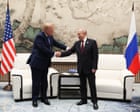
Leading figures within Britain's right-wing political establishment have publicly distanced themselves from US President Donald Trump following his controversial characterization of Vladimir Putin as a friend. The Trump Putin friendship statement, made through a social media post displaying the two leaders shaking hands, has triggered significant backlash from across the British political spectrum, with Reform UK and Conservative Party representatives voicing their disapproval.
Reform UK Deputy Leader Speaks Out
Reform UK's deputy leader has emerged as a vocal critic of Trump's approach to the Russian president, using unusually strong language to describe the Kremlin leader. The politician characterized Putin as "a murderous dictator," marking a stark departure from Trump's friendly tone. This statement represents a significant breach between American and British conservative movements, highlighting fundamental disagreements over how to handle Russia and its leadership.
The Reform UK position reflects growing concern among British politicians about the implications of Trump's diplomatic overtures toward Russia. By openly calling Putin a friend, Trump appears to be normalizing relations with a nation that has faced international condemnation for various human rights violations and military actions.
Trump's Previous Putin References at APEC Summit
The Trump Putin friendship remarks did not emerge in isolation. During the Asia-Pacific Economic Cooperation summit held in Shenzhen, located in southern China, Trump had already employed similar language when referring to the Russian leader. The event provided an opportunity for the US president to meet with multiple international leaders, including Chinese President Xi Jinping.
At the summit, Trump demonstrated a pattern of building personal connections with authoritarian figures, which has raised eyebrows among traditional allies like Britain. The casual use of friendship terminology to describe relationships with controversial world leaders represents a departure from conventional diplomatic language and protocols typically observed in international relations.
Conservative Party Distancing Measures
The Conservative Party of Britain has also moved to separate itself from Trump's characterization of Putin. While both parties maintain overall alliance with American conservatives, the specific Trump Putin friendship declaration has proven too controversial for public endorsement. This represents a rare moment of unified criticism from Britain's right-wing political establishment.
Conservative politicians have been careful in their responses, seeking to maintain diplomatic relations with the United States while making clear their opposition to what they view as an inappropriate glorification of Putin. The party's measured response suggests an attempt to balance loyalty to American allies with domestic political pressure to condemn authoritarian figures.
International Implications and Concerns
The Trump Putin friendship description carries significant implications for international diplomacy and the Western alliance structure. By characterizing the Russian leader as a friend, Trump signals a willingness to engage in closer relations with Moscow, potentially at odds with NATO objectives and European security concerns.
British politicians worry that such diplomatic gestures could undermine collective Western responses to Russian military actions and foreign policy decisions. The Trump Putin dynamic represents a potential realignment of international relationships that could have lasting consequences for European stability and security arrangements.
Broader Political Divisions
The controversy surrounding Trump's Putin remarks highlights deeper divisions within international conservative movements. While American and British conservatives have historically shared common ground on many issues, their approaches to Russia diverge significantly. British political leaders view Putin with far greater skepticism and concern than some American political figures.
The Trump Putin friendship statement has forced British conservatives to choose between maintaining alliance with American counterparts and publicly opposing what they see as misguided diplomatic approaches. The decision to distance themselves demonstrates that such alliances are not unconditional and that British politicians reserve the right to critique American policy decisions when they conflict with their own security interests and values.
Looking Forward
As international diplomacy continues to evolve under the Trump administration, British political leaders will likely maintain their critical stance toward any further attempts to characterize Putin in positive terms. The Trump Putin relationship will continue to be a point of contention between American and British conservative movements, with significant implications for the broader Western alliance and international stability.