Britain's Love for Canned Cocktails: The Tinification Trend
Discover why canned cocktails have become Britain's favorite drink. From mojitos to margaritas, explore the rise of tinified beverages in UK supermarkets today.
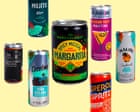
The Rise of Canned Cocktails in Modern Britain
Over the past four decades, canned cocktails have transformed from a niche product into a ubiquitous presence across British retail spaces. What began with Marks & Spencer's pioneering gin and tonic offerings has evolved into a comprehensive selection of ready-made beverages featuring mojitos, margaritas, negronis, and cosmopolitans. This shift represents a significant change in how consumers approach cocktail consumption, with canned cocktails now rivaling traditional alcoholic beverages in supermarkets and corner shops nationwide.
The proliferation of canned cocktails reflects broader changes in consumer preferences and lifestyle patterns. Unlike their controversial alcopop predecessors, which faced considerable public scrutiny, these tinified cocktails have gained widespread acceptance across different demographics. The convenience factor, combined with their more sophisticated branding and presentation, has positioned canned cocktails as a legitimate choice for social gatherings and leisure activities.
Convenience Meets Sophistication
A notable aspect of the canned cocktails phenomenon involves their portability and discretion. During a typical evening journey across London, for instance, travelers might encounter fellow passengers enjoying premium canned beverages without drawing attention. The appeal extends beyond taste—the physical format itself carries cultural significance. As observers within the beverage industry note, there exists a perception that consuming a canned cocktail appears more refined than traditional beer consumption in public spaces.
This distinction has not gone unnoticed by producers and retailers. Canned cocktails occupy a middle ground between casual drinking and sophisticated entertaining. The compact nature of these products makes them ideal for various occasions, from commuter journeys to outdoor gatherings. The flavor profiles—carefully balanced combinations of spirits, mixers, and botanical elements—cater to consumers seeking authentic cocktail experiences without the preparation requirements of traditional bartending.
Consumer Behavior and Market Acceptance
The acceptance of canned cocktails contrasts sharply with the moral concerns that surrounded alcopops during their peak popularity. Several factors explain this divergence. First, the demographic targeting differs considerably; canned cocktails appeal primarily to adult consumers seeking quality refreshment rather than teenagers exploring alcohol culture. Second, the branding emphasizes craft, heritage, and mixology expertise, positioning these products as legitimate extensions of bar culture rather than novelty items.
Furthermore, regulatory frameworks have influenced consumer behavior regarding beverage consumption in public spaces. Transportation bans implemented in 2008 inadvertently highlighted the appeal of less conspicuous drinking options. Canned cocktails, particularly when packaged in smaller formats, offer discretion alongside quality. This practical consideration has contributed significantly to their adoption among urban professionals and social drinkers.
The Market Landscape for Tinified Cocktails
The expansion of canned cocktails reflects sophisticated marketing strategies and genuine innovation within the beverage industry. Premium brands have invested substantially in recipe development, ensuring their tinified offerings match or exceed the quality of traditional cocktails. This commitment to excellence distinguishes modern canned cocktails from earlier, lower-quality alternatives that faced justified criticism.
Distribution networks have also evolved dramatically. Beyond traditional supermarket chains, canned cocktails now appear in convenience stores, petrol stations, restaurants, and specialized beverage retailers. This widespread availability has normalized their consumption across various settings and social contexts. The competitive landscape encourages continuous innovation, with producers introducing new flavor combinations and responding to emerging consumer preferences.
Cultural Implications and Future Perspectives
The widespread adoption of canned cocktails indicates shifting attitudes toward convenience without compromise. Modern consumers increasingly expect quality products that accommodate busy lifestyles. Canned cocktails satisfy this demand effectively, offering sophistication in an accessible format. The trend suggests that Britain's drinking culture continues evolving, embracing innovation while maintaining standards.
Looking forward, the canned cocktails market appears poised for continued growth. As younger generations seek alternatives to traditional pub culture and as social habits become increasingly mobile, these tinified beverages fill a distinct niche. The narrative surrounding canned cocktails—one of accessibility, quality, and cultural acceptance—differs fundamentally from that surrounding their predecessors, establishing a sustainable foundation for market expansion and consumer loyalty.