
Bezos-Led Investment Group Acquires Major Stake in Liverpool FC
A consortium backed by Amazon founder Jeff Bezos purchases approximately one-third of Liverpool FC in a landmark deal valuing the club at over £5 billion.
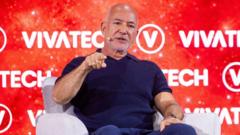
Historic Investment in Liverpool Football Club
Liverpool FC's current ownership has agreed to divest a substantial equity portion to a notable investment consortium featuring billionaire entrepreneur Jeff Bezos as a principal backer. This strategic transaction represents a significant development in the club's financial landscape, with valuations suggesting the total enterprise value exceeds £5 billion sterling.
Details of the Acquisition
The ownership restructuring involves the transfer of approximately one-third of the football club to the investment group, marking a noteworthy shift in control and management structure. The consortium composition reflects Bezos's continued diversification into sports and entertainment ventures beyond his established technology and retail empire.
This Liverpool FC ownership arrangement demonstrates the increasing appetite among global wealth managers and prominent entrepreneurs to invest in prestigious English football properties. The valuation benchmark of £5 billion positions the Reds among the most valuable sporting organizations internationally, reflecting both their historical significance and current commercial performance capacity.
Strategic Implications for the Club
The entry of substantial institutional capital through the Bezos-backed consortium signals confidence in Liverpool's long-term competitive and commercial trajectory. Such investment typically facilitates enhanced infrastructure development, expanded player recruitment budgets, and technological advancement across operational divisions.
The partial ownership structure maintains continuity with existing management while introducing fresh financial resources and strategic perspectives. This balanced approach allows the organization to leverage new capital injections while preserving institutional knowledge and established organizational culture.
Market Context and Significance
The transaction reflects broader patterns in professional football ownership, where international investors and high-net-worth individuals view Premier League clubs as attractive asset classes. Liverpool's particular appeal stems from its illustrious heritage, substantial global fan base, and demonstrated commercial revenue generation capabilities.
The Liverpool FC ownership transition occurs within a competitive landscape where multiple stakeholders pursue stakes in elite football properties. The valuation framework established through this deal provides benchmarking data for the market, influencing future acquisition discussions across the sport.
Investment in football clubs by technology entrepreneurs represents an emerging trend, combining entertainment value with brand association opportunities. The strategic rationale extends beyond sporting outcomes to encompass global marketing platforms and innovative technology integration possibilities within athletic organizations.
Ownership Structure and Operations
The arrangement involving the Bezos consortium maintains the existing governance framework while introducing capital partners with distinct expertise in scaling operations and maximizing stakeholder value. This collaborative ownership model has demonstrated effectiveness in other major sports franchises worldwide.
Liverpool's operational continuity remains assured through this transaction structure, with administrative and sporting departments maintaining their established functions while benefiting from enhanced financial capacity and resource allocation flexibility.
Looking Forward
The completion of this Liverpool FC ownership transaction establishes a new chapter in the club's contemporary history, blending traditional football institution values with modern investment capital and entrepreneurial leadership. The implications will unfold across multiple dimensions, from competitive performance to commercial expansion and technological innovation integration throughout the organization's infrastructure.


