Beauty Brand Faces Investigation Over Cigarettes at Bondi Product Launch
Australian beauty company Copini Beauty referred to NSW regulators after offering cigarettes at a lip gloss launch event in Bondi, Sydney. Federal government expresses deep concern.
Beauty Company Referred to State Regulators
An Australian beauty brand specializing in what it describes as "clean" cosmetic products has been officially referred to New South Wales health authorities following an incident at a promotional event. The Copini Beauty investigation centers on the company's apparent distribution of cigarettes to attendees at a recent product launch held in Sydney's prominent Bondi district, raising serious questions about brand values and regulatory compliance.
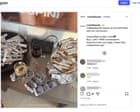
The controversial event, which took place in November at a Bondi venue, featured imagery that contradicts the company's stated commitment to offering products "free from skin irritants" and prioritizing consumer wellness. Photographs documenting the gathering reveal what appears to be unpackaged cigarettes, notably lacking mandatory health warning labels, displayed prominently on a decorative tiered silver platter positioned directly alongside bowls containing the company's lip gloss products.
Details of the Controversial Event
The peculiar presentation strategy at this beauty industry gathering has sparked considerable attention and concern among regulatory bodies and industry observers. The arrangement of cigarettes and cosmetics on the same serving platter suggests a deliberate merchandising choice, though the reasoning behind incorporating tobacco products at a beauty product launch remains unexplained by company representatives.
Official photographs from the November gathering show loose cigarettes without the legally mandated health and safety warnings that Australian regulations require on all tobacco products. This apparent violation of federal tobacco legislation compounds concerns about the event's appropriateness and the company's adherence to legal requirements surrounding the sale and distribution of controlled substances.
Federal Government Response and Concern
Australia's federal government has formally responded to reports of the incident, with officials stating they are "deeply concerned" by the apparent breach of tobacco advertising and distribution standards. This governmental reaction underscores the seriousness with which authorities view potential violations of established public health regulations and tobacco control legislation.
The federal government's expressed concern suggests this matter extends beyond simple regulatory oversight, potentially indicating broader implications for how companies conduct promotional events and present their brand identity to consumers. The juxtaposition of a "clean beauty" brand with tobacco distribution contradicts public health messaging and raises questions about corporate accountability.
NSW Health Authority Investigation
The referral to NSW health regulators marks the beginning of a formal investigative process designed to determine whether legal violations occurred during the event. State health authorities will examine whether the company breached tobacco control laws, advertising regulations, or other consumer protection statutes relevant to the incident.
NSW health regulators possess the authority to investigate potential breaches of the Public Health Act and tobacco-related legislation. Their examination will likely focus on whether the cigarettes were offered for sale, distributed as promotional items, or presented in violation of advertising restrictions. The investigation may also determine whether proper licensing and compliance protocols were followed regarding tobacco handling and display.
Implications for the Beauty Industry
This incident raises important questions about corporate brand alignment and the expectations placed upon companies marketing themselves as health-conscious alternatives in the cosmetics industry. A beauty brand emphasizing clean ingredients and skin-safe formulations faces credibility challenges when simultaneously associated with distributing cigarettes, products widely recognized as harmful to health.
Industry observers suggest that the event represents a significant misstep in brand positioning and corporate messaging. The contradiction between promoting wellness-focused cosmetics while distributing tobacco products creates confusion about the company's actual values and priorities regarding consumer health and safety.
Looking Forward
As the investigation proceeds through NSW regulatory channels, the outcome may establish important precedents for how promotional events in the beauty and wellness industries are conducted and monitored. Industry participants will likely await the formal findings and any penalties or corrective actions mandated by authorities.
The case highlights the importance of regulatory oversight in protecting consumer interests and ensuring that companies accurately represent their brand values through consistent actions and business practices across all marketing and promotional activities.