
Banksy Street Art Removal Expenses Hit £150K
Banksy artworks removed from public spaces have cost taxpayers nearly £150,000. FOI requests reveal rising removal expenses as councils continue cleanup operations.
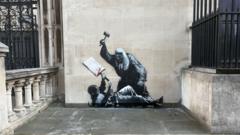
Public Spending on Banksy Artwork Removal Reaches Significant Milestone
Freedom of Information requests have unveiled that Banksy artworks cost British taxpayers an estimated £150,000 through removal and cleaning operations across various public spaces. This substantial expenditure reflects ongoing expenses incurred by local councils attempting to manage and eliminate street art installations attributed to the renowned anonymous artist.
How Banksy Artworks Cost Local Authorities Resources
The financial burden associated with removing Banksy pieces demonstrates a growing challenge for municipal governments. Each removal operation requires specialized labor, equipment, and restoration services to restore affected buildings, bridges, and infrastructure to their original condition. These Banksy artworks cost councils considerably more than standard graffiti removal, as the pieces often require careful handling to avoid damaging underlying structures.
Local authorities across England, Wales, and other regions have documented expenses ranging from minor cleaning interventions to comprehensive structural restoration projects. Some notable artworks have necessitated professional conservation teams, further escalating removal costs and extending project timelines.
Rising Expenses and Continuing Operations
The financial data compiled through FOI requests indicates that removal expenses continue to accumulate. Councils report that managing Banksy artworks cost remains an ongoing budgetary concern, with new pieces appearing in different locations, necessitating additional removal efforts. The upward trajectory of expenses suggests that total expenditures may exceed current estimates in coming months.
Street art removal expenses vary significantly depending on location, artwork size, and the condition of affected surfaces. Urban areas with higher concentrations of street art face disproportionate financial pressure, requiring dedicated budgets for regular maintenance and removal operations.
Taxpayer Impact and Budget Allocation
Citizens and taxpayers bear the financial consequences of these removal initiatives, with funds diverted from alternative public services and infrastructure projects. The substantial allocation toward addressing street art demonstrates the competing priorities municipalities face when allocating limited resources.
Some councils have invested in preventative measures, including anti-graffiti coatings and surveillance systems, hoping to reduce future removal expenses. However, the effectiveness of these approaches remains inconsistent across different regions and jurisdictions.
Council Perspectives and Policy Responses
Local authorities maintain varied positions regarding street art management. While some councils prioritize rapid removal to maintain public spaces, others have adopted more nuanced approaches, preserving artworks deemed culturally significant while removing others. This inconsistency across regions contributes to varying expense levels and strategic approaches to removal operations.
Public art removal policies continue to evolve, with some councils engaging community stakeholders to determine which pieces warrant preservation versus removal. This collaborative approach aims to balance aesthetic and cultural considerations against fiscal responsibility.
Broader Implications for Public Services
The substantial investment in removing Banksy artworks raises questions about resource allocation and municipal priorities. Critics argue that significant public funds could be redirected toward education, healthcare, or infrastructure maintenance. Conversely, others contend that maintaining clean public spaces represents an essential function of local government.
This ongoing financial commitment underscores the persistent tension between street art culture and institutional attempts to regulate public spaces. As long as new Banksy pieces continue appearing, councils can expect removal expenses to persist, affecting overall municipal budgets and fiscal planning decisions.


