
Badenoch Slams Starmer Over £5bn Defence Budget Gap
Kemi Badenoch criticises PM Starmer for defence spending shortfall, claiming £5bn missing from investment plan. Latest political analysis on UK defence budget crisis.
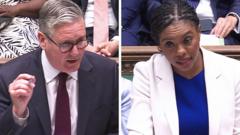
Badenoch Launches Scathing Attack on Defence Spending Shortfall
Conservative Party leader Kemi Badenoch has levelled serious accusations against Prime Minister Keir Starmer regarding what she describes as a critical gap in the nation's defence spending commitments. The defence spending UK situation has become a focal point of political debate, with Badenoch asserting that substantial funds allocated for defence investment have effectively vanished from government planning.
In her recent parliamentary interventions, Badenoch pointed to a purported £5 billion deficit within the defence investment framework, suggesting that the current administration has mismanaged military funding allocations. This defence spending UK concern reflects broader anxieties within Conservative circles about national security preparedness and budgetary accountability.
The £5 Billion Gap in Defence Planning
The central claim at the heart of this controversy involves the disappearance of what opposition figures characterise as essential defence funding. Badenoch's allegations suggest that promised investments in military infrastructure, equipment, and personnel have not materialised as initially planned. This apparent shortfall raises serious questions about the government's commitment to maintaining Britain's defensive capabilities.
Conservative criticism of the defence budget has intensified as scrutiny of government expenditure continues. The opposition leader's assertion about missing funds forms part of a wider political narrative questioning whether adequate resources are being devoted to national security needs. Political analysts suggest this represents a significant challenge to the government's credibility on defence matters.
Political Implications and Government Response
The Starmer defence budget controversy highlights underlying tensions between the current administration and the opposition regarding fiscal priorities. Badenoch's critique suggests that her party views the government's approach to defence investment as fundamentally inadequate and poorly managed. The £5bn defence gap, according to the Conservative leader, represents a failure to honour commitments to armed forces personnel and military modernisation programmes.
This political dispute underscores the importance of defence spending UK discussions within contemporary British politics. National security remains a paramount concern for voters and policymakers alike, making defence budgetary decisions particularly consequential. The allegations emerging from senior Conservative figures regarding the adequacy of current spending levels are likely to feature prominently in forthcoming political debates.
Broader Context of Defence Investment Concerns
The controversy surrounding defence spending must be understood within the wider context of global security challenges and Britain's strategic commitments. Military experts and defence analysts have previously emphasised the necessity of substantial investment to maintain technological superiority and operational readiness. The claims about missing funding therefore carry implications beyond mere budgetary accounting.
Conservative criticism of current defence policy suggests that the opposition views military readiness as being compromised by inadequate financial allocation. Badenoch's public statements indicate that her party considers the government's stewardship of defence resources to be deficient. These concerns resonate with military personnel, defence contractors, and constituents who prioritise national security considerations.
Looking Forward: Defence Spending Accountability
As the political debate continues surrounding defence spending UK matters, questions of governmental accountability become increasingly relevant. The specific allegations about the £5bn defence gap demand clarity and transparent explanation from the government. Future parliamentary sessions are likely to feature continued interrogation of defence budget decisions and expenditure justifications.
The prominence of defence spending discussions in contemporary political discourse reflects recognition that military capability underpins national security and strategic influence. Whether Badenoch's specific claims regarding the funding shortfall are substantiated through detailed investigation or rebutted by government data, the fundamental importance of adequate defence investment remains undisputed across the political spectrum.


