Badenoch Reprimanded: Labour Slams Inflammatory PMQs Language
Labour MPs criticise Kemi Badenoch's inflammatory language during PMQs. Speaker Lindsay Hoyle reprimands Tory leader for personal attacks on Education Secretary Bridget Phillipson.
Speaker Issues Rare Rebuke Following Heated Parliamentary Exchange
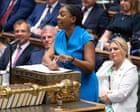
Kemi Badenoch faced significant backlash from Labour MPs following an exceptionally contentious Prime Minister's Questions session on Wednesday. The Conservative Party leader's combative approach during the parliamentary debate prompted an unusual intervention from Speaker Lindsay Hoyle, who formally reprimanded Badenoch for her intemperate remarks directed at government officials. This rare disciplinary moment highlighted the escalating tensions between the opposition and the governing party within Westminster's chambers.
Personal Attack on Education Secretary Draws Condemnation
During the heated exchange, Badenoch leveled a personal attack against Education Secretary Bridget Phillipson, describing her as a "spiteful class warrior." The remarks transcended typical parliamentary opposition and ventured into territory that prompted immediate concern from the Speaker. Labour MPs responded swiftly to what they characterised as an inappropriate and unbecoming tone for parliamentary discourse. The accusation against Phillipson appeared calculated to provoke rather than engage in substantive policy debate, triggering widespread criticism across the government benches.
Context of the Parliamentary Confrontation
The fractious nature of Wednesday's PMQs session reflected deeper divisions within Parliament regarding policy direction and governmental approach. Badenoch's controversial intervention came amid broader discussions about education policy and ministerial competence. The personal nature of her attack represented a departure from conventional parliamentary procedure, where criticism, while sharp, typically maintains a veneer of institutional respect and focuses on policy disagreements rather than character assassination.
The "400 Knives" Metaphor Escalates Tensions
Compounding her critical remarks about Phillipson, Badenoch proceeded to characterise Prime Minister Keir Starmer's position within his own party as precarious, suggesting he had "400 knives stuck in his back." This inflammatory metaphor drew further scrutiny from Speaker Hoyle, who recognized the language as exceeding acceptable parliamentary bounds. The invective employed by the Conservative leader suggested internal discord within the Labour government, though the crude nature of the accusation prompted the Speaker's intervention and subsequent reprimand.
Speaker's Unprecedented Action
The Speaker's decision to formally chastise Badenoch represented an uncommon occurrence in the House of Commons. Lindsay Hoyle's intervention signaled that parliamentary standards had been breached in a manner requiring official correction. This action underscored the Speaker's role as custodian of parliamentary decorum and his responsibility to maintain standards of conduct among all members, regardless of party affiliation or seniority. The reprimand served as a clear message regarding acceptable language and tone within the chamber.
Labour's Formal Response and Broader Implications
Labour MPs collectively expressed disappointment with Badenoch's approach, viewing it as representative of opposition tactics that prioritised inflammatory rhetoric over substantive engagement. The government benches interpreted the attacks as reflecting Conservative frustration following electoral defeat, with the party attempting to regain footing through aggressive questioning rather than constructive criticism. The response from Labour highlighted their expectation that parliamentary opposition would maintain professional standards while advancing alternative policy positions.
Parliamentary Standards Under Scrutiny
The incident raised broader questions about the state of parliamentary discourse and whether current standards remain sufficient to maintain civilised debate. The Speaker's intervention, while notable, also prompted reflection on whether such measures should occur more frequently given contemporary patterns of increasingly heated rhetoric. Political observers noted that the episode exemplified ongoing challenges in maintaining parliamentary decorum during periods of heightened political tension and partisan division.
Conservative Party Response and Strategic Implications
The Conservative Party's approach through Badenoch appeared designed to energise their base and project strength in opposition. However, the Speaker's rebuke may have undermined this strategy by drawing attention to the inflammatory nature of the language rather than the substantive criticisms underlying the remarks. The episode demonstrated the fine line opposition leaders must navigate between forceful advocacy and maintaining parliamentary standards that command respect across party lines.
Looking Forward: Standards and Civility
Observers suggested that Wednesday's PMQs would likely influence future parliamentary exchanges and discussions regarding appropriate conduct. The Speaker's action served as a reminder that even prominent political figures face consequences for breaching established norms. Future Prime Minister's Questions sessions may reflect increased awareness of these boundaries, though political dynamics and partisan pressures will continue to test the limits of acceptable parliamentary language and behavior.