Badenoch Refuses to Apologize for Starmer Remarks During PMQs
Kemi Badenoch stands firm on her PMQs comments about Keir Starmer, refusing to apologize as Conservative leadership tensions escalate in Parliament.

Conservative Leader Rejects Apology Over Parliamentary Remarks
The Conservative Party leader Kemi Badenoch has made clear she will not apologize for comments made during Prime Minister's Questions regarding Labour leader Keir Starmer's political position. In a firm statement delivered by her spokesperson, Badenoch doubled down on her position, insisting that the remarks were justified and reflected the current state of parliamentary politics.
Badenoch's comments during PMQs centered on observations about internal Labour dynamics, with the Conservative leader suggesting that numerous Labour MPs were demonstrating dissatisfaction with Starmer's leadership. The tension in Parliament underscores the ongoing political turbulence affecting both major parties as they navigate government and opposition responsibilities.
The Context of PMQs Comments
During the heated parliamentary exchange, Badenoch referenced what she characterized as widespread dissent within Labour ranks. Her rhetoric pointed to significant internal pressures facing the Prime Minister, describing an atmosphere of political vulnerability surrounding Starmer's leadership position. The comments were designed to highlight Labour's internal challenges while positioning the Conservative Party as a coherent alternative.
The timing of these remarks coincides with broader political developments affecting both the governing Labour Party and the opposition Conservatives. Parliamentary observers noted that the exchange reflected genuine tensions between the two parties, with Badenoch using the platform to challenge Starmer's authority and parliamentary standing.
Badenoch's Firm Stance
When asked whether the Conservative leader would reconsider her position or offer any clarification, her spokesperson confirmed that Badenoch remains resolute. The refusal to apologize represents a strategic decision to maintain political momentum and demonstrate leadership strength within Conservative circles. Political analysts suggest this approach aims to consolidate support among Conservative MPs and demonstrate that Badenoch will not back down under pressure.
The spokesperson's statement was unequivocal: there would be no retraction or apology forthcoming. This position sends a signal to Conservative Party members and supporters that leadership under Badenoch will be characterized by conviction and unwillingness to yield to criticism from opponents or media scrutiny.
Broader Political Context
The incident occurs against a backdrop of significant political activity within Westminster. Beyond the immediate Badenoch-Starmer controversy, the political landscape has been shaped by interventions from other party leaders and figures. Nigel Farage, leader of Reform UK, has been particularly active in political discourse, using high-profile platforms to advance his party's agenda.
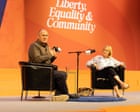
Farage has recently participated in major conservative gatherings, including the Alliance for Responsible Citizenship (ARC) conference, an international event drawing thousands of social conservative and right-wing activists. During his appearances at such events, Farage has articulated positions on family values, community cohesion, and social change that resonate with his political base.
Conservative Movement Alignment
The ARC conference represents significant infrastructure within conservative political activism, backed by influential international funders and featuring prominent figures from across the ideological spectrum. The gathering includes participation from controversial figures and thought leaders who shape contemporary conservative discourse. The conference's backing by wealthy donors with international connections underscores the growing interconnection between British politics and global conservative movements.
Within this broader context, Badenoch's refusal to apologize reflects a larger positioning strategy among Conservative figures. By maintaining a firm stance against Labour and refusing to retreat from critical comments about Starmer's leadership, Badenoch aligns herself with a more assertive approach to political opposition.
Parliamentary Dynamics and Leadership
The exchange between Badenoch and Starmer during PMQs represents one of many confrontations that define contemporary British parliamentary politics. These weekly encounters between Prime Minister and Opposition Leader serve as crucial moments for both parties to test messaging, challenge government policy, and demonstrate leadership credentials to their respective bases.
Badenoch's willingness to stand firm on her comments suggests confidence in her political position and her assessment of Labour's vulnerabilities. Her spokesperson's statement reinforces this message, making clear that the Conservative leadership will not be intimidated by potential criticism or demands for apologies.
Implications for Conservative Strategy
The controversy surrounding Badenoch's PMQs remarks and her subsequent refusal to apologize carries implications for Conservative political strategy. By presenting a combative and unapologetic opposition, Badenoch positions herself as a strong leader willing to challenge the government on substantive grounds. This approach may resonate with Conservative Party members and supporters seeking forceful opposition to Labour policies.
As British politics continues to evolve and both major parties navigate changing electoral dynamics and internal challenges, moments like these PMQs exchanges become significant indicators of leadership style and strategic direction. Badenoch's firm stance suggests a Conservative opposition that intends to maintain pressure on the Starmer government while consolidating internal party support.