Asylum Camp Welfare Violations Exposed in Sussex Documentary
ITV undercover investigation reveals inadequate welfare checks and potential unlawful placement of torture survivors at Crowborough military base asylum facility.
Investigation Uncovers Serious Asylum Camp Welfare Concerns
A groundbreaking undercover investigation by ITV has exposed critical failures in asylum camp welfare checks at a controversial East Sussex facility, raising urgent questions about the safety and wellbeing of vulnerable residents. The documentary, produced through covert journalism at Crowborough, reveals that inadequate asylum camp welfare checks may have resulted in torture survivors being placed at the location in violation of legal protections and safeguarding procedures.
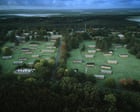
The investigation focuses on mass accommodation facilities that form a cornerstone of the government's strategy to transition away from hotel-based housing for asylum seekers. At the heart of the inquiry is Crowborough, a former military training installation now operated as a reception center for vulnerable populations requiring immediate shelter and support services.
Undercover Reporting Reveals Systemic Failures
ITV's undercover reporter successfully embedded within the facility as a welfare officer, gaining unprecedented access to operations at the military-converted asylum camp. Through carefully documented observations and recordings, the journalist documented troubling patterns suggesting that standard protection protocols were frequently bypassed or inadequately implemented across multiple departments.
The documentary exposes how screening procedures designed to identify individuals with trauma histories, including torture survivors, were compromised by insufficient resources and inadequate training. These systemic shortcomings raise serious concerns about whether vulnerable persons received appropriate assessment before placement in congregate living environments.
Vulnerability Assessment and Torture Survivor Protections
One of the most alarming findings involves the potential unlawful placement of torture survivors within the facility. International humanitarian law and domestic UK asylum legislation contain specific provisions designed to protect individuals who have experienced torture, requiring enhanced screening and specialized accommodation arrangements. The investigation suggests these protections may have been systematically ignored at the Crowborough site.
Legal frameworks establish clear criteria for identifying torture survivors and mandate additional safeguarding measures beyond standard asylum camp welfare checks. These include access to trauma-informed care, restricted noise environments, and specialized medical evaluations. The documentary provides evidence that such provisions were largely absent or inconsistently applied.
Government Policy and Military Base Conversion
The Crowborough facility represents a significant shift in government accommodation strategy. Rather than utilizing commercial hotel infrastructure, authorities selected military properties for rapid conversion into mass accommodation centers. This approach aims to reduce costs and centralize management while the government pursues alternative asylum processing methods.
However, converting military installations into asylum reception centers presents unique challenges not addressed in standard asylum camp welfare checks protocols. Military bases lack features typical of facilities designed for civilian support services, including inadequate medical facilities, limited privacy provisions, and insufficient recreational and mental health resources.
Operator Oversight and Corporate Accountability
The facility is operated by a company associated with Graham King, described in the investigation as an asylum camp billionaire whose business interests have significantly expanded through government contracts. The operator's responsibility for maintaining asylum camp welfare checks and implementing protection protocols appears to have been inadequately monitored by regulatory authorities.
The documentary raises questions about whether financial incentives tied to occupancy rates and operational efficiency may have influenced decisions regarding vulnerable resident placement and ongoing welfare assessments. Operators managing mass accommodation facilities face competing pressures between cost reduction and duty of care obligations.
Implications for Future Asylum Policy
This investigation into asylum camp welfare checks at Crowborough has broader implications for the government's accommodation strategy. As authorities expand reliance on military base conversions and mass congregate facilities, questions emerge about whether existing oversight mechanisms adequately protect vulnerable populations, particularly trauma survivors requiring specialized support.
The documentary suggests that rapid facility expansion has outpaced development of appropriate safeguarding procedures. Standard asylum camp welfare checks may be insufficient for identifying and protecting individuals with complex trauma histories, severe mental health conditions, or medical vulnerabilities requiring specialist intervention.
Call for Enhanced Protections
Advocacy organizations and legal experts have responded to the investigation by calling for mandatory enhanced asylum camp welfare checks, including trauma screening protocols, medical evaluations, and individualized vulnerability assessments before placement in congregate settings. These measures would require additional resources and training for staff managing accommodation facilities.
The findings underscore the critical importance of maintaining rigorous oversight standards across all asylum accommodation providers, regardless of facility type or operational model. Torture survivors and other vulnerable asylum seekers require protections that cannot be compromised by operational efficiency considerations or cost reduction pressures within commercial service provision frameworks.