
Artist recalls exclusive moments with Lucian Freud amid £25m sale
Sue Tilley shares memories of posing for Lucian Freud in his studio. Discover the personal details behind the £25m art sale and their creative relationship.
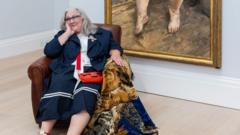
Recounting Time in Lucian Freud's Studio
Sue Tilley has opened up about her memorable experiences while sitting for renowned portrait painter Lucian Freud, shedding light on the intimate creative process behind one of the most significant art transactions in recent years. The Lucian Freud art sale, which reached an extraordinary £25 million valuation, has reignited public interest in the artist's most compelling works and the relationships he fostered with his subjects.
Tilley's recollections paint a vivid picture of what it was like to work with one of the 20th century's most influential painters. Her accounts offer a rare glimpse into the daily realities of sitting for extended periods, capturing the atmosphere and unconventional nature of Freud's working environment.
The Studio Experience and Artistic Atmosphere
According to Sue Tilley, Freud's workspace was far from a conventional art studio. The acclaimed painter's creative sanctuary was deliberately unpolished, reflecting his bohemian approach to both life and work. Tilley recalls enjoying champagne lunches during breaks from her modeling sessions, moments that punctuated the intense focus required for portrait work.
The studio itself contained an eclectic mix of elements that spoke to Freud's unconventional character. Among the various objects scattered throughout the space was a remarkable Rodin sculpture, which served the practical but unusual purpose of functioning as a doorstop. This detail exemplifies the paradox of Freud's environment: surrounded by masterpieces and artistic treasures, yet utilizing them in the most utilitarian and casual manner imaginable.
Behind the Scenes of Portrait Creation
The process of posing for Lucian Freud was an exhausting yet rewarding endeavor, according to Tilley's accounts. Freud was known for his meticulous approach to portraiture, often requiring numerous sittings to capture what he perceived as the essential truth of his subject. This demanding methodology meant that models spent considerable time in his studio, developing an intimate understanding of his artistic vision and personality.
Tilley's experience reveals the human dimension of high-end portrait painting, a craft that extends far beyond the technical application of paint to canvas. The relationship between artist and subject became crucial to the final work's success, with mutual respect and understanding playing essential roles in the creative process.
The £25 Million Valuation and Market Significance
The substantial value attributed to this particular Lucian Freud work underscores the enduring market demand for his portraits. Freud's paintings consistently command premium prices at auction, reflecting his status as one of the most important figurative painters of his generation. The £25 million price point represents not merely the monetary worth of pigment and canvas, but rather the cultural and artistic significance vested in his distinctive vision.
The art market's continued fascination with Freud's work demonstrates the timeless appeal of his psychological approach to portraiture. Unlike many of his contemporaries, Freud rejected abstraction and maintained an unwavering commitment to representational art, creating works of remarkable intensity and scrutiny.
Sue Tilley's Perspective on Artistic Legacy
By sharing her memories of working with Freud, Sue Tilley contributes valuable firsthand testimony to the historical record of one of art's most significant figures. Her recollections humanize the artistic process, revealing the personality and quirks of a man whose work has shaped contemporary art history.
These personal accounts enhance our understanding of how Lucian Freud approached his subjects with an unflinching gaze, seeking to penetrate beyond superficial appearances. The anecdotes about champagne lunches and the sculptor's unconventional repurposing as a doorstop illustrate that beneath the intensity of his artistic practice lay a complex personality capable of warmth and humor.
Cultural Impact and Artistic Recognition
The ongoing interest in Lucian Freud's work, exemplified by the substantial sale price and continued public curiosity about his process, confirms his pivotal role in modern art history. His portraits remain among the most sought-after contemporary artworks, with collectors and institutions recognizing their immense cultural value.
Sue Tilley's testimony serves as an important document of artistic practice in the late 20th century, offering insights that will continue to fascinate art historians, students, and enthusiasts for generations to come. The stories emerging from these studio sessions provide context for understanding not just the finished paintings, but the human experiences that informed their creation.


