
Artificial Ice Pyramids: India's Innovative Solution for Mountain Water Scarcity
Discover how Himalayan villages are building artificial ice pyramids to secure seasonal water supply for crops and combat drought in remote mountain communities.
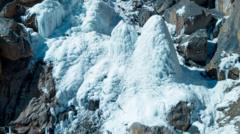
Artificial Ice Pyramids: A Revolutionary Approach to Water Management
High in the Himalayan ranges, remote mountain communities are implementing an ingenious engineering solution through the construction of artificial ice pyramids designed to address critical water shortages. These remarkable structures represent a modern adaptation of traditional knowledge, enabling villages to secure reliable water supplies during crucial spring months when agricultural demands peak.
The artificial ice pyramids serve as natural water storage systems that slowly release stored ice throughout the warmer seasons. This innovative approach has become increasingly vital as climate patterns shift and traditional glacial systems continue to shrink due to environmental changes affecting mountain ecosystems.
How Artificial Ice Pyramids Function in Alpine Environments
The construction and maintenance of these ice structures follows carefully developed engineering principles. Water is channeled from natural mountain springs during winter months into specially designed channels and containment areas at high altitudes where freezing temperatures preserve it in solid form.
The pyramidal design serves multiple purposes: it maximizes surface exposure during construction phases while minimizing melting losses through its geometric configuration. The strategic shape allows for controlled water release as ambient temperatures gradually increase through spring and summer seasons, precisely timing water availability with critical irrigation requirements.
The Technical Engineering Behind Mountain Ice Preservation
Local communities have refined techniques for directing water flows and creating optimal freezing conditions. The process begins when village engineers identify suitable high-altitude locations with consistent below-freezing temperatures during winter periods. Water from natural springs gets channeled through concrete or stone-lined pathways specifically designed to encourage rapid freezing while reducing evaporation.
The architectural elements of these artificial ice pyramids incorporate features that protect against unexpected warming cycles and excessive solar radiation. Communities apply layers of sawdust, straw, or other insulating materials to reduce surface melting and extend the preservation period throughout warmer months.
Addressing Water Scarcity in Remote Agricultural Communities
Agricultural regions throughout the Himalayan foothills face profound challenges during dry seasons when crop irrigation becomes impossible without supplementary water sources. The artificial ice pyramids provide a practical solution that bridges seasonal gaps between winter water abundance and summer drought conditions.
Farmers depending on spring and summer cultivation of traditional crops have discovered that ice pyramid systems can reliably supply water for irrigation through peak growing seasons. This water conservation strategy has demonstrated significant effectiveness in sustaining agricultural productivity across multiple villages within these challenging mountain environments.
Agricultural Impact and Crop Production Benefits
The implementation of artificial ice pyramids has directly enhanced crop yields and expanded the range of cultivable plants in regions previously limited by water availability. Communities report measurable improvements in vegetable production and grain cultivation when reliable irrigation from these ice structures becomes available during growing seasons.
Climate Change and the Evolution of Mountain Water Management
Rapid environmental transformations have accelerated the need for innovative water conservation solutions. Traditional glacial systems that provided consistent water supplies for centuries have diminished significantly, forcing communities to develop alternative approaches to ensure survival and economic stability.
The artificial ice pyramid technology represents adaptive engineering in response to broader climate challenges. Rather than accepting resource limitations, mountain communities have engineered solutions grounded in environmental understanding and practical engineering knowledge. This proactive approach demonstrates how traditional communities can integrate modern techniques with ancestral wisdom.
Community Collaboration and Sustainable Development
The construction and maintenance of these water management systems requires substantial community cooperation and collective planning. Village leaders coordinate labor forces, manage water distribution schedules, and ensure equitable access to preserved water resources among farming households.
Local governments and development organizations have increasingly recognized the potential of artificial ice pyramids as a scalable solution for water-scarce regions. The relatively low-cost implementation compared to major infrastructure projects makes this technology particularly valuable for economically disadvantaged mountain communities seeking sustainable development options.
Future Prospects for Ice-Based Water Conservation Technology
As climate patterns continue evolving and water scarcity intensifies globally, the artificial ice pyramid methodology offers lessons applicable beyond Himalayan regions. The success documented in Indian mountain villages suggests potential for implementation in other alpine environments facing similar water challenges.
Researchers and development specialists are studying these community-based systems to identify opportunities for optimization and adaptation to different geographical contexts. The intersection of traditional environmental knowledge with contemporary engineering creates possibilities for expanding this proven technology across comparable mountain communities worldwide.


