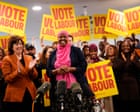
Andy Burnham urged to revive 0.7% aid spending target
Labour MPs push Andy Burnham to restore overseas aid spending to 0.7% of GDP. New Economics Foundation thinktank advocates renewed development leadership.

Labour MPs Push for Aid Spending Restoration
A group of influential Labour backbenchers is urging potential party leader Andy Burnham to reinstate the United Kingdom's commitment to international development by restoring overseas aid spending to 0.7% of national income. This advocacy reflects growing concern among senior party figures that Labour must reassert its position as a global leader on development issues.
The campaign to restore Andy Burnham aid spending commitments comes as the New Economics Foundation (NEF), a respected independent thinktank, prepares to release a comprehensive collection of policy essays designed to guide a future Labour administration.
Thinktank Vision for International Leadership
The New Economics Foundation has become instrumental in shaping progressive thinking around overseas development assistance. According to the forthcoming publication, party strategists believe that embracing ambitious aid targets represents a critical opportunity to distinguish Labour's vision for Britain's role on the world stage. The essays compiled by NEF contributors outline detailed pathways for transforming UK foreign policy architecture.
The 0.7% target, originally established during the Brown government's tenure, represents a symbolic commitment to global poverty reduction and humanitarian responsibility. Labour strategists contend that abandoning this benchmark has weakened the party's moral authority in international forums and diminished Britain's soft power influence.
Restructuring Labour's Foreign Policy Agenda
Contributing MPs emphasize that Labour foreign policy must undergo fundamental recalibration to address contemporary global challenges. Climate change, economic inequality, and humanitarian crises demand renewed British engagement through development channels. The essays present evidence-based arguments for why reinvigorated aid programming strengthens Britain's diplomatic standing while advancing genuine poverty alleviation objectives.
Backbench advocates argue that the current trajectory of aid spending reductions contradicts Labour's foundational commitment to social justice and international solidarity. By committing to the 0.7% GDP aid target, a Burnham-led government would signal unmistakable dedication to bridging global inequality and positioning Britain as a principled international actor.
Development Leadership as Strategic Priority
The case for restoring aid spending extends beyond humanitarian sentiment. Political analysts within Labour's ranks recognize that international development initiatives generate measurable returns in diplomatic influence, security cooperation, and economic partnership opportunities. Countries receiving substantial development assistance frequently align with donor nations on critical international governance matters.
The NEF publication demonstrates that Britain has historically punched above its weight in development circles by maintaining robust aid budgets. This investment generated disproportionate influence over multilateral institutions and development policy frameworks. Labour figures maintain that reversing recent austerity-driven cuts would restore Britain's standing in these crucial forums.
Broader Implications for Government Formation
The pressure from influential backbenchers indicates that any future Labour administration must grapple seriously with aid spending commitments during its formation phase. These discussions underscore deeper questions about Britain's identity, values, and aspirations within international systems. Whether a Burnham government would embrace such recommendations remains an open question, though the momentum behind these proposals suggests substantial internal party support.
The publication of the NEF essays will provide comprehensive policy frameworks for debate within Labour's broader coalition of stakeholders, including party members, elected officials, and civil society organizations focused on development issues. This intellectual foundation positions the party to articulate coherent positions on aid spending and foreign policy priorities heading into potential electoral campaigns.