Andy Burnham Set to Assume PM Role After Starmer Resigns
Andy Burnham poised to become UK Prime Minister following Keir Starmer's resignation announcement. Explore the leadership transition and policy priorities ahead.
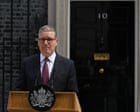
Burnham's Path to Downing Street Opens Following Starmer's Decision
Andy Burnham appears virtually assured of becoming the next UK Prime Minister after Keir Starmer announced his resignation as the nation's leader. The Makerfield MP's succession represents a significant moment in British politics, as Burnham and the broader political landscape enter a new era of governance. This development follows sustained internal pressure within the Labour Party, with numerous backbenchers and senior government figures expressing concerns about the party's direction heading into the next general election cycle.
Starmer's announcement came after an intense period of political turbulence at Westminster. The Prime Minister acknowledged during his resignation speech that he could no longer command sufficient confidence to remain in his position, paving the way for Andy Burnham to assume control without facing significant opposition within Labour ranks.
The Circumstances Behind Starmer's Departure
The resignation emerged from months of escalating discontent among Labour members. Cabinet ministers and MPs alike grew increasingly anxious about the party's standing in relation to Reform UK's electoral threat. The combination of internal divisions and external political pressures ultimately proved insurmountable for Starmer's administration.
In what observers characterized as a dramatic day in Westminster, Starmer outlined a specific timetable for his transition, ensuring an orderly succession within the government. This measured approach reflected his commitment to maintaining stability during the leadership changeover process.
Burnham's Policy Agenda and Economic Vision
The incoming Prime Minister plans to unveil his policy platform through a series of strategic speeches beginning the following week. Economic reform will feature prominently in Burnham's initial messaging, with particular emphasis placed on devolution as a cornerstone of his government's approach.
Andy Burnham is actively considering structural changes to his cabinet that would signal a departure from Starmer's tenure. Among these considerations is the potential appointment of Ed Miliband as Chancellor of the Exchequer, a move designed to challenge conventional Treasury thinking. Sources close to Burnham acknowledged that this decision carries significant implications for both business relationships and union support, yet he remains willing to advance arguments in favor of the appointment if ultimately chosen.
Cabinet Composition and Key Appointments
Shabana Mahmood appears likely to retain her position as Home Secretary within the new administration. Burnham previously commended the Home Office leadership during recent campaigning, particularly regarding her approach to immigration policy and willingness to address contentious matters affecting voters.
Wes Streeting's role within Burnham's government remains somewhat uncertain. Although he is under consideration for one of the most senior cabinet positions, campaign sources rejected claims that he had secured the numbers needed to mount an independent leadership challenge. Various political figures have proposed his appointment as Chancellor, arguing that such a move would provide reassurance to financial markets concerned about ministerial stability.
Potential Opposition and the Question of Alternatives
Supporters of the outgoing Prime Minister have not entirely abandoned hope of identifying a candidate to challenge Andy Burnham's succession. The viability of such an alternative candidacy may depend partly on decisions regarding the Chancellor position and Miliband's future in government.
Darren Jones has been mentioned as a possible challenger within party circles. However, sources suggested he was not actively organizing a leadership campaign, though they stopped short of providing absolute guarantees that he would definitely not enter the race.
Looking Forward Under New Leadership
As Andy Burnham prepares to assume office, the transition represents both continuity and change within the Labour government. His emphasis on economic policy and devolution signals a willingness to recalibrate the party's focus while maintaining core Labour principles. The appointment decisions Burnham makes in the coming days will prove crucial in establishing his government's priorities and determining whether his administration can effectively address the political challenges that ultimately led to Starmer's departure.
The coming weeks will be pivotal as Andy Burnham outlines his vision for the nation and assembles a cabinet capable of executing his policy agenda. Political observers will closely monitor whether his leadership approach can rebuild public confidence in Labour and address the electoral threat posed by opposition parties heading toward the next general election.