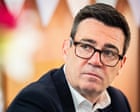
Andy Burnham Confirms 2029 Election Date
Andy Burnham reaffirms commitment to 2029 general election, dismissing early poll speculation despite Labour's improved polling numbers.

Prime Minister Rules Out Early Election Despite Labour Surge
Andy Burnham has firmly stated that no general election will take place before 2029, effectively ending weeks of intense speculation about whether Labour's improved standing in opinion polls might lead to an early electoral contest. The prime minister's definitive statement comes after sustained media attention suggesting the party's recent momentum could make a premature poll attractive to the government.
During extensive engagement with regional broadcast media outlets on Friday, Burnham faced persistent questioning regarding the timing of the next general election. The repeated inquiries reflected widespread uncertainty in political circles about whether the government might capitalize on its improving electoral prospects by calling a vote sooner than the scheduled 2029 date.
Speculation Fueled by Labour's Polling Performance
Recent weeks have seen considerable discussion among political commentators and analysts about the possibility of an early general election before 2029. This speculation has been driven primarily by Labour's notable recovery in public opinion polling, which has led some observers to suggest the prime minister might consider advancing the electoral timetable to maximize the party's chances of victory.
The improved polling numbers have created a narrative around potential strategic calculations within government. However, Andy Burnham's latest remarks appear designed to put this speculation to rest permanently, providing clarity to both the Labour party and opposition parties about the government's commitment to the scheduled timeline.
Prime Minister's Clear Commitment to 2029 Timetable
Burnham's repeated affirmations during Friday's media engagement underscore the government's determination to maintain the established electoral schedule. The prime minister's consistency in these statements demonstrates an attempt to project stability and long-term planning, despite the political advantage that early polling figures might suggest.
This approach contrasts sharply with historical precedents in British politics, where governments have sometimes called early elections when circumstances appeared favorable. By explicitly ruling out such a move, Burnham is positioning his administration as focused on substantive governance rather than opportunistic electoral advantage.
Political Context and Strategic Implications
The decision to maintain the 2029 general election date carries significant implications for the political landscape. It signals that the government intends to govern through this parliamentary term, complete its legislative agenda, and submit its record to voters at the scheduled time. This commitment may also influence opposition strategy and parliamentary dynamics over the coming years.
Labour's recent polling improvements have naturally generated excitement within the party and raised questions about optimal timing for an election. However, Andy Burnham's definitive stance suggests the leadership has decided that maintaining predictability and demonstrating commitment to proper governance takes precedence over short-term electoral considerations.
Media Questions and Government Response
The intensity of questioning from regional media outlets reflects genuine interest in understanding the government's electoral intentions. Broadcasters and journalists had reason to pursue this line of inquiry, given both Labour's improved polling and the historical prevalence of early elections when governments enjoy favorable conditions.
By addressing these questions directly and repeatedly confirming the 2029 date, Andy Burnham has attempted to create a settled expectation among voters, media, and political actors. This clarity about the electoral timeline allows for more predictable political planning and reduces the uncertainty that speculation about an early poll might otherwise create.
Looking Ahead to 2029
With the general election definitively scheduled for 2029, political attention can now turn to the government's legislative priorities and policy agenda for the remainder of this parliamentary term. Both the ruling Labour party and opposition parties can plan their strategies with confidence about the electoral timetable.
Andy Burnham's commitment to the 2029 date represents a choice to prioritize stable governance and long-term planning over immediate electoral advantage. Whether this strategy proves politically beneficial will depend on how Labour's polling performance evolves over the coming years and what political circumstances prevail when voters finally go to the polls in 2029.