
Afghan Women's Lives Unrecognisable After Five Years Taliban
Afghan women report severe restrictions on freedom, employment bans and healthcare barriers under five years of Taliban rule. Exclusive testimonies to BBC.
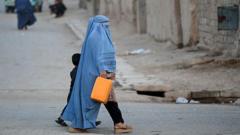
Afghan Women's Lives Transformed Under Five Years of Taliban Rule
Afghan women's lives have become virtually unrecognisable following five years of Taliban governance, according to testimonies gathered by international media outlets. Across the nation, female citizens describe a landscape marked by severe restrictions on personal freedom, systematic employment barriers, and troubling impediments to healthcare access that pose genuine risks to their wellbeing.
Public Punishment and Daily Restrictions
Women throughout Afghanistan report experiencing public floggings and other forms of corporal punishment administered under strict interpretations of Taliban regulations. These incidents reflect a broader pattern of enforcement mechanisms designed to regulate women's behaviour and movement within society. The punishments extend beyond isolated cases, forming part of a comprehensive system that restricts women's autonomy in their daily lives.
The implementation of these restrictions has created an environment where Afghan women face constant surveillance and control over their activities, clothing choices, and social interactions. Many women describe feeling trapped within their homes, unable to participate in community activities or conduct business without male accompaniment.
Employment Barriers and Economic Hardship
One of the most devastating impacts of Taliban rule has been the systematic exclusion of women from employment opportunities. Afghan women who previously held professional positions—teachers, doctors, government officials, and business owners—have been stripped of their jobs and income. This employment ban has created widespread economic vulnerability for families that depended on women's earnings.
The loss of workplace participation has extended beyond mere financial consequences. Professional women have lost their sense of purpose, identity, and social contribution. The restrictions prevent women from utilising their education and skills, representing a significant loss of human capital for Afghan society.
Healthcare Access and Medical Complications
Perhaps among the most concerning developments is the deterioration of women's healthcare access under Taliban administration. Female patients face multiple obstacles when seeking medical treatment, including restrictions on consulting male physicians and limitations on female healthcare workers. These barriers have created dangerous situations where women delay or forgo necessary medical interventions.
Afghan women describe scenarios where they cannot receive timely prenatal care, treatment for serious illnesses, or emergency medical services. Some have reported being denied healthcare by male relatives due to strict Taliban interpretations of Islamic law regarding gender interaction. These restrictions have contributed to increased maternal mortality rates and preventable medical complications.
Educational Deprivation
Beyond employment and healthcare, Afghan women have been systematically excluded from educational opportunities. Secondary education bans have prevented girls from continuing their studies, blocking pathways to future careers and personal development. The closure of educational institutions for females represents a generational setback in women's advancement.
Universities that once enrolled female students have implemented gender segregation policies or complete exclusion of women. This educational deprivation perpetuates cycles of limited opportunity and reinforces economic dependence on male family members.
Psychological and Social Impact
The cumulative effect of these restrictions on Afghan women extends into psychological and emotional realms. Women report experiencing depression, anxiety, and despair resulting from lost opportunities and constrained futures. The social isolation imposed through movement restrictions and employment bans creates additional mental health challenges.
Many Afghan women describe their current existence as fundamentally different from their pre-Taliban lives, characterised by loss, uncertainty, and restricted agency over their own futures and decisions.


