Advanced Microscope Technology Aims to Uncover IBD Treatment Breakthroughs
Revolutionary 'Curie' microscope with 10x resolution power offers hope for understanding inflammatory bowel disease and developing new therapeutic approaches for millions.
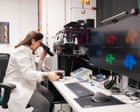
Revolutionary Microscope Offers New Hope for Inflammatory Bowel Disease Research
Scientists are turning to cutting-edge microscopy technology in their quest to unlock the mysteries surrounding inflammatory bowel disease and develop innovative treatment solutions. The groundbreaking 'Curie' microscope represents a significant advancement in medical research, operating at ten times the resolution of traditional microscopy equipment. This exceptional capability promises to accelerate discoveries that could transform how physicians approach inflammatory bowel disease management and potentially lead to new therapeutic interventions for patients worldwide.
Understanding the Scale of the IBD Crisis
The global burden of inflammatory bowel disease continues to escalate, particularly among younger populations who face years of living with debilitating symptoms. In the United Kingdom alone, the British Society of Gastroenterology reports that more than half a million individuals are currently managing inflammatory bowel disease. This condition encompasses two primary forms: Crohn's disease and ulcerative colitis, both of which significantly impact quality of life and require ongoing medical management.
Rising Prevalence Among Young Adults
Recent data indicates that the number of young people worldwide dealing with these incurable bowel conditions is experiencing concerning growth. This demographic shift presents urgent challenges for healthcare systems and underscores the critical need for advanced research tools and therapeutic breakthroughs. Young patients often face decades of disease management, making the search for effective treatments particularly important for this population.
How Curie Microscope Technology Works
The 'Curie' microscope distinguishes itself through unprecedented magnification capabilities, providing researchers with visibility into cellular structures and biological processes previously impossible to observe with conventional microscopy. Operating at ten times the resolution of standard equipment, this instrument enables scientists to examine tissue samples, cellular interactions, and disease mechanisms at molecular levels of detail. This enhanced visualization capacity opens new pathways for understanding the fundamental causes of inflammatory bowel disease.
The technology's superior resolution allows researchers to identify subtle differences in tissue composition, cellular behavior, and inflammatory markers that standard microscopes cannot detect. Such detailed observations may reveal previously hidden insights into disease progression and tissue damage mechanisms specific to inflammatory bowel disease.
Implications for Inflammatory Bowel Disease Research
Researchers believe that the Curie microscope will facilitate breakthrough discoveries regarding the root causes of inflammatory bowel disease. By examining tissue samples and cellular structures with unprecedented clarity, scientists can better understand the biological mechanisms driving Crohn's disease and ulcerative colitis. This deeper comprehension of disease pathophysiology could directly inform the development of targeted therapies designed to address specific cellular and molecular abnormalities.
Potential for New Treatment Approaches
The enhanced diagnostic and research capabilities offered by this advanced microscopy technology may enable the creation of novel therapeutic strategies. Understanding the precise cellular and molecular basis of inflammatory bowel disease could lead to treatments that target disease mechanisms more effectively than current approaches. Researchers hope that insights gained through Curie microscope analysis will inspire development of medications and interventions that provide better outcomes for patients living with these challenging conditions.
Scientific Community Enthusiasm
The research community has responded with considerable optimism regarding the potential of this advanced microscope technology to accelerate progress in understanding inflammatory bowel disease. Scientists recognize that conventional microscopy limitations have previously constrained their ability to investigate disease mechanisms comprehensively. The availability of a tool capable of operating at ten times standard resolution represents a meaningful step forward in medical research capabilities.
As researchers prepare to utilize the Curie microscope for their studies, expectations remain high that this technology will generate significant discoveries. The enhanced resolution and visualization capabilities promise to reveal details about cellular inflammation, tissue damage patterns, and disease progression that could fundamentally change scientific understanding of inflammatory bowel disease. This advancement in research tools reflects the broader commitment to finding solutions for patients managing incurable bowel conditions.