
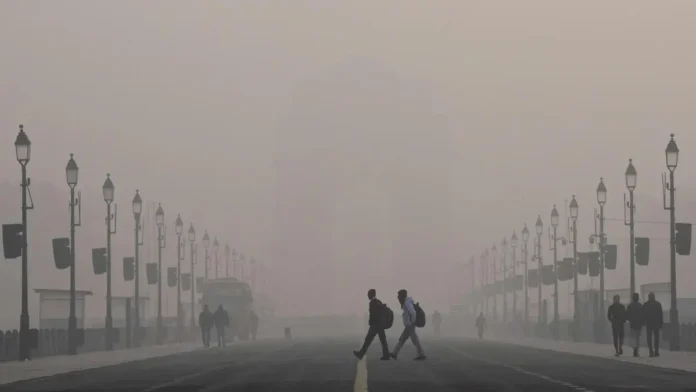
The Great Smog of London in 1952 was a defining moment in history, not only for the city but for the world. It was a crisis that triggered lasting reform and brought about significant changes in the way we view and address air pollution. Today, as Delhi grapples with its own air pollution crisis, it is edging towards a similar tipping point. The city has been facing hazardous-to-severe levels of air pollution for weeks, causing damage to health, disrupting daily life, and even leading to deadly accidents. While the sources of pollution are well known, the official response has largely been reactive. However, the experience of China has shown that sustained and tough measures can deliver results. The real question now is whether Indian governments will act decisively before the damage becomes irreversible.
In light of the current situation, Delhi has recently tightened its anti-pollution measures as the air quality continues to remain in the ‘very poor’ zone. From Thursday, non-Delhi private vehicles below BS-VI standards have been barred from entering the city, and fuel is being denied to vehicles without valid PUC certificates under the ‘No PUC, No Fuel’ rule. This move is a step in the right direction and shows that the authorities are taking the issue seriously. However, the success of these measures will depend on their strict enforcement.
Enforcement of these measures involves the use of cameras, alerts, police checks, and transport teams. Additionally, steps such as carpooling, traffic management, waste processing, and rapid pothole repairs are also being taken. While some may criticize these measures, it is important to understand that strict enforcement is necessary as the AQI levels in Delhi remain above 300. The health and well-being of the citizens must be the top priority, and the authorities are taking the necessary steps to ensure that.
The recent measures taken by Delhi are not the first of their kind. In fact, China has been facing a similar air pollution crisis for years and has implemented tough measures to combat it. The results have been significant, with a noticeable improvement in air quality. This shows that sustained and tough measures can indeed deliver results. It is now up to the Indian governments to follow suit and take decisive action before it is too late.
The current situation in Delhi is a wake-up call for all of us. It is a reminder that we cannot continue to ignore the issue of air pollution. The consequences of inaction are severe and can have long-lasting effects on our health and the environment. We must all come together and take responsibility for our actions. It is not just the responsibility of the government, but also of each and every citizen to do their part in reducing air pollution.
One of the major sources of air pollution in Delhi is vehicular emissions. The ‘No PUC, No Fuel’ rule is a step in the right direction, but it is not enough. We must also make a conscious effort to reduce our dependence on private vehicles and opt for more sustainable modes of transportation, such as public transport, cycling, or walking. Carpooling is also a great option that not only reduces air pollution but also helps in reducing traffic congestion.
Another major contributor to air pollution in Delhi is the burning of waste. The authorities must ensure that waste is properly managed and processed, rather than being burnt in open areas. This not only contributes to air pollution but also poses a health hazard for those living in the vicinity.
Furthermore, we must also address the issue of industrial pollution. Strict regulations must be put in place to ensure that industries comply with environmental standards and do not contribute to air pollution. The use of clean and renewable energy sources must also be encouraged.
In addition to these measures, it is also important to raise awareness among the public about the issue of air pollution and its consequences. We must all understand that our actions have a direct impact on the environment and take steps to reduce our carbon footprint.
In conclusion, the current air pollution crisis in Delhi is a cause for concern, but it also presents an opportunity for change. The recent measures taken by the authorities are a step in the right direction, but more needs to be done. We must all come together and take responsibility for our actions to combat air pollution. The experience of China has shown that sustained and tough measures can deliver results, and it is now up to the Indian governments to follow suit. Let us not wait for a crisis to trigger lasting reform, but instead, take proactive steps towards