
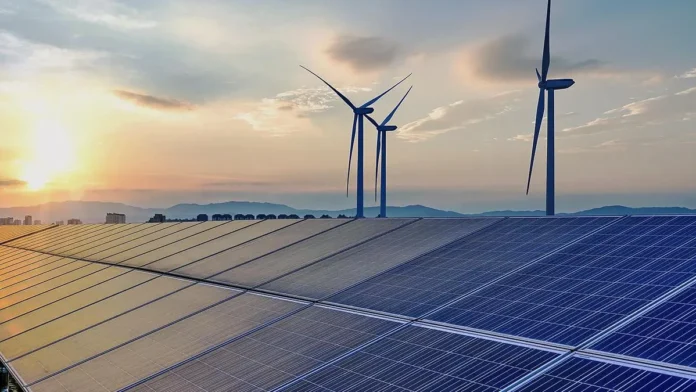
Eastern India, a region comprising of states like West Bengal, Odisha, Bihar, Jharkhand, and the seven sister states of the Northeast, has been witnessing a remarkable growth in renewable infrastructure. This can be attributed to the various state initiatives taken to promote the use of clean and sustainable energy sources. From strengthening the grid system to encouraging rooftop solar installations and integrating storage-ready planning, the eastern region is setting the pace for a greener and more sustainable future.
One of the primary factors contributing to the rapid expansion of renewable infrastructure in eastern India is the state governments’ proactive approach towards promoting clean energy. States like West Bengal and Odisha have set ambitious targets for renewable energy generation and have taken concrete steps to achieve them. For instance, in 2020, the West Bengal government announced its plan to generate 1000 MW of solar power by 2022, which would contribute significantly to reducing the state’s carbon footprint and promoting sustainable energy practices.
To support these targets, state governments have also implemented various measures to strengthen the grid system and make it more conducive for the integration of renewable energy sources. This includes upgrading and modernizing the existing infrastructure, building new substations, and setting up smart grids. These measures have not only helped in efficient management of renewable energy but also ensured a steady and reliable supply of power to the consumers.
One of the remarkable efforts undertaken by the eastern states is the promotion of rooftop solar installations. Under this, residential, commercial, and industrial buildings are encouraged to install solar panels on their rooftops to generate electricity for their own use. Governments are supporting this initiative through various incentives such as subsidies and net metering, which allows consumers to sell excess energy back to the grid. This not only reduces the burden on the state’s power generation but also helps in reducing electricity bills for consumers.
In addition to rooftop solar, eastern India has also been actively promoting the use of other renewable energy sources like wind and biomass. Some states have even introduced policies to encourage investments in these sectors, creating new avenues for job opportunities and boosting the local economy.
Another critical aspect of the eastern region’s renewable expansion is the integration of storage-ready planning. With the increasing use of intermittent renewable sources like solar and wind, the need for storage capacities has become crucial to ensure a stable energy supply. States like Odisha and West Bengal have incorporated storage-ready planning into their policies to ensure that new renewable projects have provisions for energy storage systems. This not only allows for better utilization of renewable energy but also addresses the issue of grid stability during peak demand periods.
Moreover, the eastern region’s geographical advantages, such as abundant sunshine and strong winds, have also made it an ideal location for renewable energy projects. This has attracted investments from both national and international players, further boosting the growth of the renewable infrastructure in the region.
In addition to the state initiatives, the Government of India’s policies and schemes have also played a crucial role in accelerating the renewable expansion in eastern India. The Centre’s push towards increasing the share of renewables in the energy mix has enabled state governments to implement their plans more effectively. For instance, the launch of the ‘One Sun One World One Grid’ (OSOWOG) initiative by the Government of India aims to connect the country’s electricity grid with neighboring countries to facilitate the transfer of renewable energy.
The growth of renewable infrastructure in the eastern region has not only brought environmental benefits but also has had a positive impact on the socio-economic development of the states. It has created new job opportunities, especially in the rural areas, and has also improved the quality of life for the communities residing in those regions.
In conclusion, the eastern region of India has been witnessing a significant transformation in terms of renewable infrastructure, thanks to the efforts of the state governments and the support of the central government. The region’s proactive approach towards promoting clean and sustainable energy has not only set an example for other parts of the country but also for the world. With continued support and effective implementation of policies, eastern India is well on its way to achieving a greener, cleaner, and brighter future.