
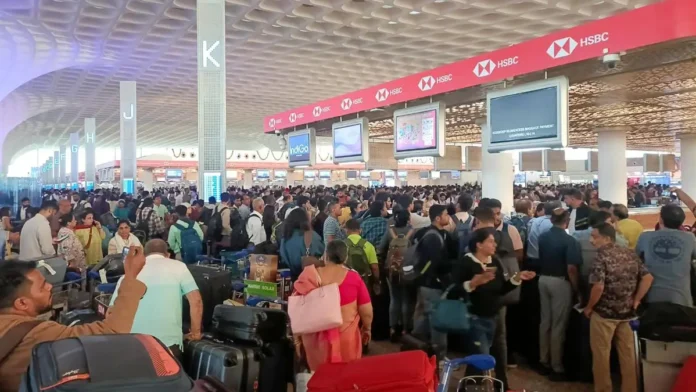
The aviation industry has been facing a major challenge in recent years – a shortage of pilots. This issue has become even more prominent with the implementation of new flight duty time norms and the addition of flights in the winter schedule from November 1. While this may seem like a cause for concern, it is actually a sign of growth and progress in the industry.
The shortage of pilots has been a topic of discussion for quite some time now. With the demand for air travel increasing every year, airlines have been expanding their fleets and adding new routes to meet the needs of passengers. This has resulted in a surge in the number of flights, which in turn has led to a need for more pilots. However, the shortage has been exacerbated by the implementation of new flight duty time norms, which require pilots to have a certain amount of rest time between flights. This has reduced the number of hours pilots can fly in a day, making it necessary for airlines to hire more pilots to meet their flight schedules.
Moreover, with the addition of flights in the winter schedule from November 1, the shortage of pilots has become more apparent. This is due to the fact that winter is a peak travel season, with people going on vacations and visiting their families for the holidays. As a result, airlines need to increase their flight frequency to accommodate the influx of passengers. This has put a strain on the already limited pool of pilots, leading to flight cancellations and delays.
However, instead of viewing this as a negative development, we should see it as a sign of progress and growth in the aviation industry. The fact that there is a demand for more pilots is a testament to the increasing popularity of air travel. This is a positive sign for the industry as a whole, as it shows that people have more disposable income and are choosing air travel as their preferred mode of transportation.
Moreover, the shortage of pilots has created new job opportunities for aspiring pilots. With airlines looking to hire more pilots, this is the perfect time for individuals who have always dreamt of flying to pursue their passion. The aviation industry offers a rewarding career with attractive salary packages and opportunities for growth and advancement. With the demand for pilots set to increase in the coming years, this is an opportune time for individuals to join the aviation sector.
The shortage of pilots also presents an opportunity for airlines to invest in their current pilots and encourage them to stay with the company. By providing attractive incentives and benefits, airlines can retain their existing pilots and reduce the need to constantly hire new ones. This will not only save them the time and resources involved in training new pilots but also ensure a more experienced and competent workforce.
In addition, the shortage of pilots has also highlighted the need for better training facilities and programs. As the demand for pilots increases, it is essential that we have a steady supply of well-trained and skilled pilots. This calls for investment in training facilities and programs that can produce high-quality pilots who are equipped to handle the demands of the job.
In conclusion, while the shortage of pilots may seem like a pressing issue, it is important to view it in a positive light. It is a sign of growth and progress in the aviation industry and presents new opportunities for aspiring pilots. With the right measures in place, we can overcome this challenge and ensure a steady supply of pilots to meet the demands of the industry. Let us embrace this as an opportunity to further strengthen the aviation sector and continue to provide safe and efficient air travel for all.