
Real estate development is a complex and ever-evolving industry that requires careful planning, strategic decision-making, and a keen eye for market trends. As developers, we are constantly faced with challenges and obstacles that can impact the success of our projects. One such challenge that we are currently facing is the increase in baseline construction costs.
It has been reported that baseline construction costs for real estate developers are expected to go up by 5-10 per cent. This is a significant increase that can have a major impact on the profitability of our projects. The main reason behind this rise in costs is the increase in labour expenses.
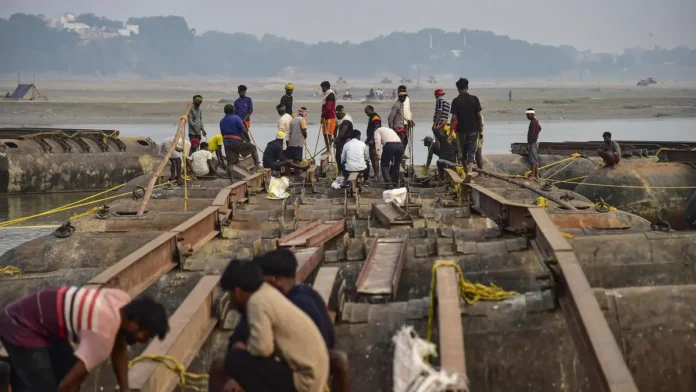
Labour expenses have been on the rise for quite some time now. With the growing demand for skilled labour in the construction industry, the cost of hiring workers has increased significantly. This has been further exacerbated by the shortage of skilled workers, which has led to an increase in their wages. As developers, we rely heavily on skilled labour to bring our projects to life, and the increase in their expenses is a major concern for us.
The increase in labour expenses is not limited to just skilled workers. The cost of unskilled labour has also seen a significant rise. This can be attributed to the increase in minimum wages and the implementation of various labour laws that have increased the cost of hiring unskilled workers. This increase in labour expenses has a direct impact on the overall construction costs, which ultimately affects the baseline costs for developers.
This rise in baseline construction costs is a cause for concern for all real estate developers. It means that we have to re-evaluate our budgets and make necessary adjustments to ensure that our projects remain financially viable. This increase in costs can also lead to delays in project completion, which can further impact the profitability of our projects.
However, it is not all doom and gloom for real estate developers. While the increase in baseline construction costs may seem like a setback, it also presents us with an opportunity to innovate and find more cost-effective solutions. As developers, we must embrace this challenge and find ways to mitigate the impact of rising labour expenses.
One way to do this is by investing in technology and automation. With the advancement of technology, there are now various tools and software available that can help streamline the construction process and reduce the need for manual labour. By incorporating these technologies into our projects, we can reduce our reliance on skilled and unskilled labour, thereby reducing our overall construction costs.
Another way to mitigate the impact of rising labour expenses is by investing in training and development programs for our workers. By providing our workers with the necessary skills and knowledge, we can increase their productivity and efficiency, which can help offset the increase in their wages.
Furthermore, as developers, we must also look at alternative methods of construction that can help reduce labour expenses. Prefabricated and modular construction, for example, can significantly reduce the need for on-site labour, thereby reducing construction costs. These methods also offer a faster construction process, which can help offset any delays caused by the increase in labour expenses.
It is also essential for developers to maintain strong relationships with their contractors and suppliers. By negotiating better deals and exploring alternative options, we can reduce our construction costs and mitigate the impact of rising labour expenses.
In conclusion, the increase in baseline construction costs for real estate developers is a challenge that we must face head-on. While it may seem daunting, it also presents us with an opportunity to innovate and find more cost-effective solutions. By embracing technology, investing in training and development, and exploring alternative construction methods, we can mitigate the impact of rising labour expenses and continue to deliver successful projects. Let us see this as a chance to evolve and grow as developers, and together, we can overcome this challenge and emerge stronger.