
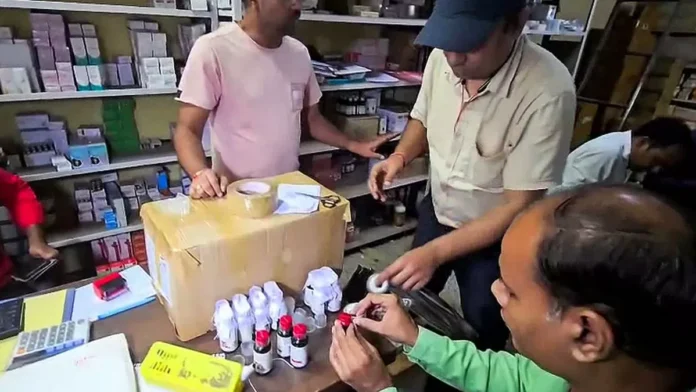
The Indian Medical Association (IMA) has recently released a statement regarding the controversy surrounding the alleged presence of Diethylene Glycol (DEG) in a cough syrup. In its statement, the IMA has expressed its concern over the failure of regulatory bodies to monitor the concentration of DEG in the syrup and has argued that the responsibility for this cannot be solely placed on the prescribing doctor. This statement by the IMA sheds light on a crucial issue that needs to be addressed in order to ensure the safety of patients.
DEG is a chemical commonly used in the production of antifreeze and is known to be highly toxic to humans. It is also used in some cough syrups as a solvent for active ingredients. However, if not monitored properly, even a small amount of DEG can have serious health consequences. In the recent case, it has been alleged that a cough syrup manufactured by a pharmaceutical company contained a high concentration of DEG, leading to the death of several patients. This incident has raised questions about the role of regulatory bodies in ensuring the safety of medicines.
The IMA, being the apex body of doctors in India, has always been at the forefront of advocating for the welfare of patients. In its statement, the IMA has highlighted the need for strict monitoring of the quality and safety of medicines by the concerned regulatory bodies. It has also emphasized the importance of regular inspections and testing of medicines to prevent such incidents from occurring in the future. The IMA has also called for a thorough investigation into the matter and strict action against those responsible for the production and distribution of the contaminated cough syrup.
The IMA has also raised an important point regarding the responsibility of the prescribing doctor in such cases. It is a common practice for doctors to rely on the quality and safety of medicines approved by regulatory bodies. However, in the absence of proper monitoring and testing, it becomes difficult for doctors to identify any potential risks associated with the medicines they prescribe. The IMA has rightly argued that the onus of ensuring the safety of medicines cannot be solely placed on the prescribing doctor. It is the responsibility of the regulatory bodies to ensure that only safe and effective medicines are available in the market.
The IMA has also urged the government to take necessary steps to strengthen the existing regulatory framework for medicines. This includes increasing the number of drug inspectors, setting up a robust system for testing and monitoring of medicines, and imposing stricter penalties for those found guilty of producing and distributing substandard medicines. The IMA has also suggested the involvement of medical professionals in the process of drug approval and monitoring, as they possess the necessary expertise to identify potential risks associated with medicines.
It is heartening to see the IMA taking a proactive stance on this issue and advocating for the safety of patients. The statement by the IMA serves as a wake-up call for the concerned authorities to take immediate action and prevent such incidents from happening in the future. The IMA has also assured its full support and cooperation in any measures taken to ensure the safety of medicines.
In conclusion, the IMA’s statement on the DEG-contaminated cough syrup is a timely reminder of the need for strict monitoring and testing of medicines. The onus of ensuring the safety of medicines cannot be solely placed on the prescribing doctor, and it is the responsibility of the regulatory bodies to ensure the availability of safe and effective medicines in the market. The IMA’s call for action should be heeded by the concerned authorities, and necessary steps should be taken to prevent such incidents from occurring in the future. Let us all work together towards a safer and healthier future for all.