
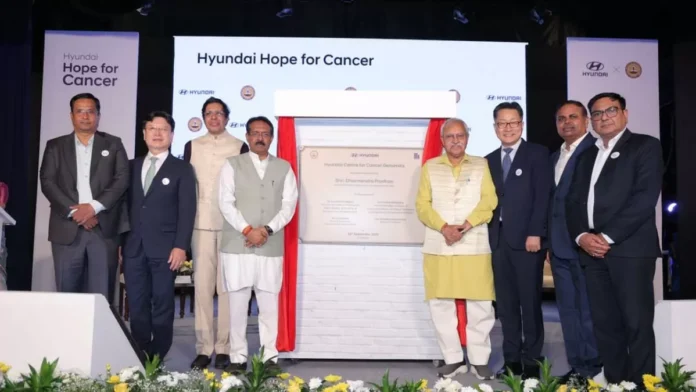
India has taken a major step towards advancing cancer research with the establishment of its first community-based Cancer Tissue Biobank at the Indian Institute of Technology (IIT) Madras. This biobank is a major milestone in the field of genomic research, especially in the study of paediatric leukaemia and lymphoma. With this state-of-the-art facility, India is now at par with developed countries in terms of cancer research and treatment.
The Cancer Tissue Biobank at IIT Madras is a joint initiative of the Department of Biotechnology (DBT), Government of India, and the Indian Council of Medical Research (ICMR). It aims to collect, store and distribute high-quality cancer tissue samples for research purposes. This biobank is the first of its kind in India and is expected to play a crucial role in advancing cancer research in the country.
One of the key features of this biobank is its community-based approach. This means that the tissue samples will be collected from patients who are willing to donate their samples for research purposes. This is a significant shift from the traditional method of obtaining tissue samples from hospital archives, which may not always be of high quality. By involving the community, the biobank ensures a continuous supply of high-quality tissue samples, which is crucial for conducting advanced genomic research.
The biobank is equipped with state-of-the-art facilities and cutting-edge technology, making it one of the most advanced biobanks in the country. It has the capacity to store over 20,000 tissue samples, which will be used for various types of cancer research. The samples will be stored in a temperature-controlled environment to ensure their quality is maintained. The biobank also has a robust data management system, which will enable researchers to access the samples and associated data easily.
The establishment of this biobank is a major boost to cancer research in India, especially in the field of paediatric leukaemia and lymphoma. These two types of cancer are the most common among children and have a high mortality rate. With the availability of high-quality tissue samples, researchers can now conduct advanced genomic studies to understand the genetic basis of these cancers. This will help in the development of targeted therapies and personalized treatment options for patients, leading to better outcomes.
Apart from advancing research, the biobank will also play a crucial role in training the next generation of cancer researchers. Students and young scientists will have access to the biobank and its facilities, which will help them gain hands-on experience in handling tissue samples and conducting research. This will not only enhance their skills but also contribute to the overall growth of the field of cancer research in India.
The establishment of this biobank is a testament to the government’s commitment to promoting research and innovation in the country. It is a step towards making India self-sufficient in cancer research and reducing the country’s dependence on other countries for advanced treatments. The biobank will also serve as a platform for collaboration between researchers from different institutions, leading to a more comprehensive understanding of cancer and its treatment.
In conclusion, the Cancer Tissue Biobank at IIT Madras is a significant milestone in the field of cancer research in India. It is a testament to the country’s progress in the field of science and technology and its efforts towards improving the health and well-being of its citizens. With its community-based approach and advanced facilities, this biobank has the potential to revolutionize cancer research in India and bring us one step closer to finding a cure for this deadly disease.