
Rep. Marjorie Taylor Greene, a Republican congresswoman from Georgia, has recently come under fire for her controversial comments regarding Israel and its influence on the U.S. Congress. In an interview with a conservative news outlet, Greene accused Israel of having “incredible influence” over Congress, citing lobby-funded trips that pressure lawmakers to support Tel Aviv.
These remarks have sparked outrage and condemnation from both sides of the political spectrum, with many calling them anti-Semitic and dangerous. However, Greene has stood by her statements, claiming that she is simply speaking the truth and standing up for American interests.
But what exactly is the truth behind Greene’s claims? Is Israel really exerting an undue influence on the U.S. Congress? And if so, what are the implications of this for American politics and foreign policy?
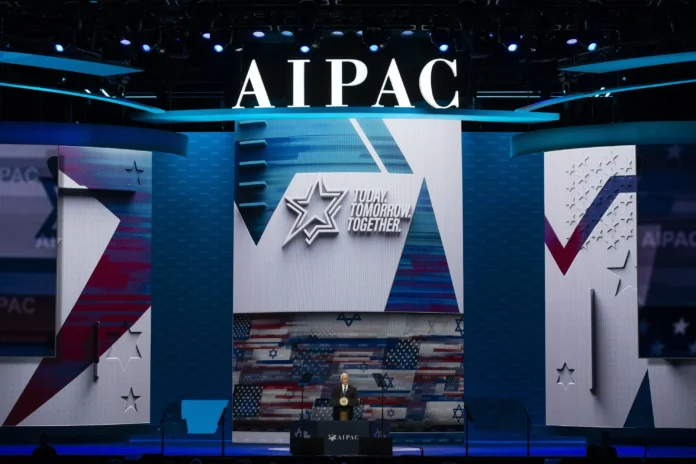
First and foremost, it is important to acknowledge that Israel does indeed have a strong presence in Washington D.C. and a significant influence on U.S. politics. This is largely due to the powerful pro-Israel lobby, which includes organizations such as the American Israel Public Affairs Committee (AIPAC) and the American Jewish Committee (AJC). These groups have a considerable amount of money and resources at their disposal, and they use them to lobby Congress and shape U.S. policy towards Israel.
One of the ways in which the pro-Israel lobby exerts its influence is through funding trips for members of Congress to visit Israel. These trips, known as “fact-finding missions,” are often paid for by pro-Israel organizations and are meant to educate lawmakers about the country and its policies. However, critics argue that these trips are nothing more than propaganda tours, designed to sway lawmakers in favor of Israel and its agenda.
In her interview, Greene specifically mentioned a trip she took to Israel in 2019, which was sponsored by the AJC. She claimed that during the trip, she was pressured to support Israel and its policies, and that this pressure is common among lawmakers who go on these trips. While it is unclear exactly what happened during Greene’s trip, it is not uncommon for pro-Israel organizations to use these trips as a way to influence lawmakers and gain their support.
But does this mean that Israel has an “incredible influence” over the U.S. Congress? The answer is not as clear-cut as Greene’s statement suggests. While it is true that the pro-Israel lobby is a powerful force in Washington, it is not the only factor that shapes U.S. policy towards Israel. There are many other factors at play, including strategic alliances, economic interests, and domestic politics.
Furthermore, it is important to note that the U.S. has a long-standing relationship with Israel, dating back to the country’s establishment in 1948. This relationship is based on shared values and interests, and it is not solely dependent on the influence of the pro-Israel lobby. In fact, many lawmakers support Israel because they genuinely believe it is in the best interest of the U.S. to do so, not because they are being pressured by lobbyists.
So while it is true that the pro-Israel lobby has a significant presence in Washington and plays a role in shaping U.S. policy towards Israel, it is not accurate to say that Israel has an “incredible influence” over the U.S. Congress. This statement oversimplifies a complex issue and ignores the many other factors that influence U.S.-Israel relations.
Moreover, Greene’s comments have been widely condemned as anti-Semitic and dangerous. By suggesting that Israel has an undue influence on Congress, she is perpetuating harmful stereotypes about Jewish people and their supposed control over world affairs. This kind of rhetoric has no place in our political discourse and only serves to fuel hate and division.
In conclusion, while Rep. Marjorie Taylor Greene’s comments about Israel and its influence on the U.S. Congress have sparked controversy, they do bring attention to an important issue. The pro-Israel lobby does have a significant presence in Washington and plays a role in shaping U.S. policy towards Israel. However, it is important to recognize that this is not the only factor at play and that the U.S.-Israel relationship is based on more than just lobbying efforts. Let us not allow divisive rhetoric to overshadow the complexities of this relationship and instead work towards finding common ground and promoting peace and understanding.